
- Welcome Guest
-



JAB’s mission is to:
① preserve the global environment and protect and maintain the natural environment;
② stabilize and improve the lives of citizens by promoting fair and free economic activities; and ③ protect and enhance consumer interests.
JAB works to achieve these goals. Since its establishment as an accreditation body in 1993, JAB has accredited laboratories, calibration laboratories, inspection bodies, reference material producers, proficiency testing providers, medical laboratories, and certification bodies that comply with international standards, while promoting mutual recognition with overseas accreditation bodies.
In recent years, JAB has launched biobank accreditation and currently accredits five biobanks. To further enhance the value of accreditation at JAB, it aims to expand the MRA for biobank accreditation through the 2025 APAC Peer Evaluation.
To promote international standardization and the accreditation system in Japan, JAB is focusing on promotion through face-to-face seminar and webinars. We will introduce some recent initiatives as follows.
JAB hosted JAB Platform in Tokyo
JAB holds an annual lecture series called the JAB Platform to promote the conformity assessment system. This year, it was held on October 14, 2025, with the following objectives:
Here are some of the program highlights.
1) Authorized Assessor Roundtable: “JAB Authorized Assessors Discuss the Reality of Assessing and Career Paths”
To promote recruitment of authorized assessors, we invited active authorized assessors to participate in a panel discussion. They introduced the rewards, challenges, and social significance of the authorized assessor profession. They shared information, including real-world experiences from the assessing field, intended to be useful for those aspiring to become authorized assessors in the future or interested in career paths.
2) Special Lecture: “Case Studies of ISO/IEC 17025 Utilization in Local Governments”
A laboratory from a local government accredited by JAB presented on the theme of “Ensuring Test Reliability.” Based on their laboratory’s initiatives, they discussed the benefits of ISO accreditation utilization within local governments.

3) Standard Explanation Session: “Key Points for Meeting ISO 15189 Requirements”
JAB explained the essential points needed to meet the standard requirements. This included the status of transition assessments to ISO 15189:2022, insights into the impact of the standard revision, and its benefits.
4) Standard Explanation Session: “Key Points for Meeting ISO/IEC 17025 Requirements”
By introducing actual examples of JAB accreditation assessments, the session highlighted that JAB’s ISO/IEC 17025 accredited laboratories ensure reliability through appropriate operation and assessing. It encouraged stakeholders to utilize JAB accredited laboratories. Additionally, it explained the use of flexible scope accreditation to laboratory and calibration service personnel, emphasizing how it can lead to business opportunities.
Supporting the quality of medical testing for 20 years
In Japan, The ISO 15189 accreditation program for medical laboratories was launched in 2005 by the Japan Accreditation Board (JAB), and reached a major milestone in 2025, its 20th anniversary.
The fact that it has been adopted as a requirement for medical institutions conducting clinical trials and clinical research, and cancer genome medical institutions, and that it was approved for medical fee incentives in 2016, means that the government has recognized that this accreditation system guarantees the quality of medical laboratories. These are great achievements of JAB.
The risk based approach strengthened by ISO 15189:2022 is essential in medical testing, and by effectively incorporating it into medical laboratory management systems, the ISO 15189 accreditation program is expected to further contribute to patient safety and security.
At present, the number of accredited medical laboratories is only about 300, which is fewer than in other countries. JAB believes it has a mission to continue to appeal to the public to further popularize this program.
In December 2025, JAB plans to hold a commemorative event, inviting all those involved who have contributed greatly to the past 20 years, including accredited laboratories and assessors.
JAB ISO 20387 Event, 20387 Accreditation Briefing Session,
“Deepening the Potential of Biobanks through the Utilization of ISO 20387,”
JAB began ISO 20387 accreditation program on April 1, 2024, and has now accredited five biobanks.
The accredited biobanks include one integrated biobank facility (Tohoku Medical Megabank Organization, Tohoku University (RBB00010)) and three clinical biobanks (National Center for Geriatrics and Gerontology (NCGG) Biobank (RBB00020), National Center of Neurology and Psychiatry (NCNP) Biobank (RBB00030), Clinical Bio-Resource Center / Kyoto University Hospital / National University Corporation, Kyoto University (RBB00040)), and one on-demand biobank (National University Corporation Kobe University Hospital Bioresource Center (RBB00050)). The legal entities of these five biobanks are universities and national research and development corporations; no private biobanks have been accredited.
Therefore, to promote broader societal understanding of the ISO 20387 accreditation system and to further advance the utilization of accredited biobanks, the first online ISO 20387 Accreditation Briefing Session, titled “Deepening the Potential of Biobanks through the Utilization of ISO 20387,” was held on October 24, 2025.
The briefing featured the following four presentations:
Participants included 20 from accredited biobanks, 9 from non-accredited biobanks, 27 from related organizations and biobank users, 1 from a relevant government ministry, and 2 from the media. We believe the briefing achieved its objectives.
Metrological Traceability Seminar
Every year, the National Institute of Technology and Evaluation (NITE), the Japan Quality Assurance Organization (JQA), and JAB come together to host an important event called the “Metrological Traceability Seminar for Management Systems.” This seminar is designed for a wide range of people, including auditors who check management systems, quality assurance professionals working in manufacturing companies, and those in charge of quality control in laboratories.
At the seminar, attendees learn about Japan’s current state of measurement traceability, including how the system for registering calibration laboratories works, based on the Measurement Act. The seminar also explains the laboratory accreditation system under ISO/IEC 17025, how national measurement standards are aligned with international agreements like the CIPM MRA, and why it’s so important to connect measurement traceability to the international SI units. Additionally, there is useful information on how to properly manage measuring instruments.
The main goal of the seminar is to equip participants with accurate, up-to-date knowledge on metrological traceability. It also encourages the use of calibration certificates that carry the ILAC MRA combined symbol, which helps ensure reliability and trust in measurements across borders.
JAB participated in ifia JAPAN 2025
JAB participated in ifia JAPAN 2025, held from May 21 to 23, 2025. The ifia has a 29-year history as a specialized exhibition for food ingredients and additives, and JAB delivers a presentation on ISO/IEC 17025 at this exhibition every year. At this year’s Safety Assessment and Precision Management session, JAB presented “ISO/IEC 17025 Accreditation to Ensure the Reliability of Test Results.” The presentation focused on food microbiology laboratories, using case studies to explain facility and environmental conditions, verification and validation, and ensuring the validity of results. The session attracted many attendees, including government officials, food analysis institution personnel, and food manufacturing professionals.
Additionally, JAB exhibited an information booth at the venue, providing accreditation information to many visitors. We intend to continue explaining the necessity and usefulness of accreditation to the food industry, which underpins the public’s livelihood, and contribute to fostering a quality foundation.
Going forward, JAB will continue to contribute to the government’s “Japan Standard Acceleration Model 2025” and “New International Standards Strategy” to promote Japan’s international standardization and accreditation systems, while focusing on marketing efforts.

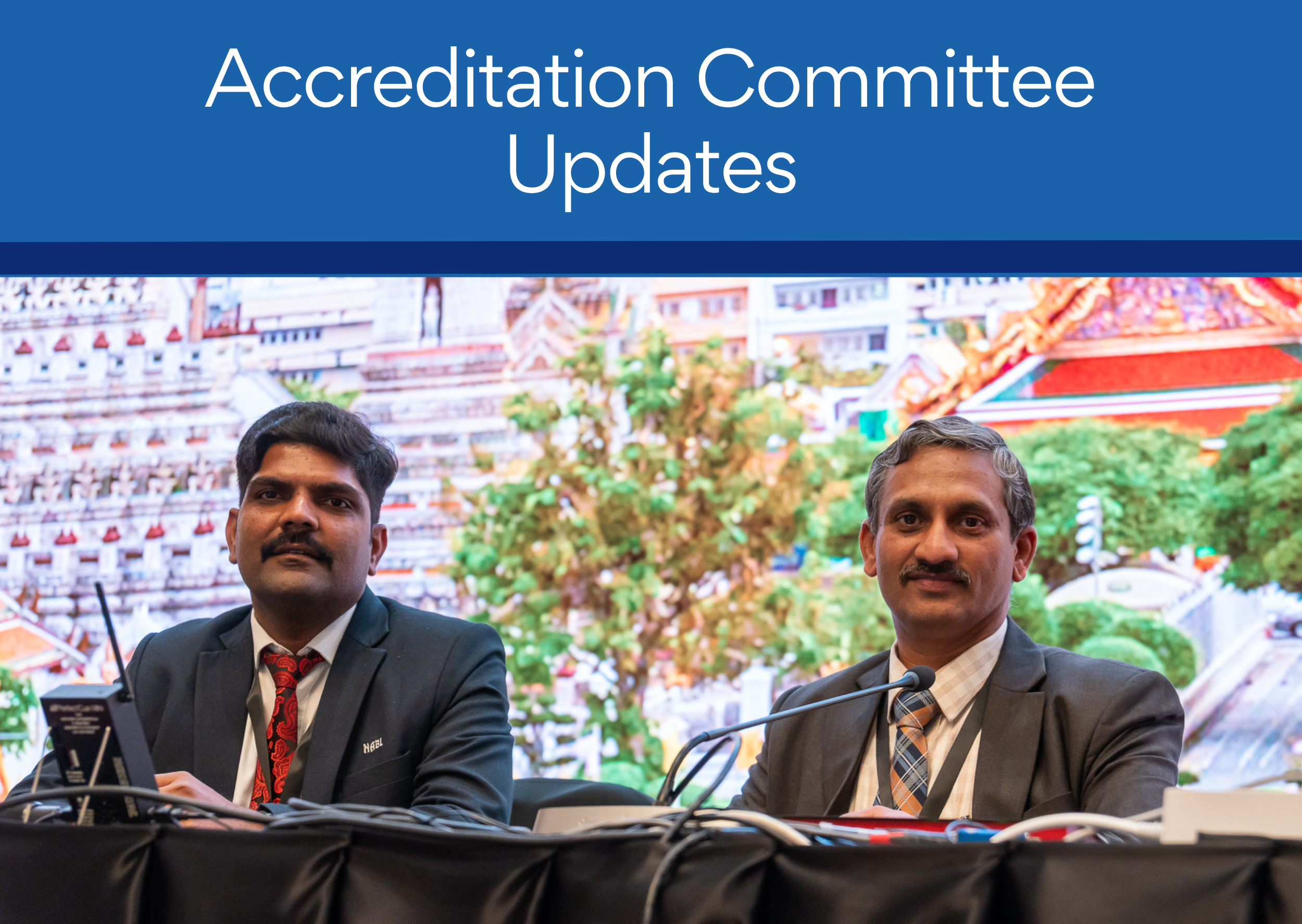
Mr. N. Venkateswaran, AIC Chair welcomed all the AIC members and other participants for the annual meeting of ILAC AIC held on 17th October 2025 at Bangkok. More than 100 participants attended the meeting. In addition to ILAC AIC, two working groups (WG) meeting conducted in-person at Bangkok – WG ISO/IEC 17025 and WG Metrology.
The Chair updated about all the 11 AIC WG’s activities including respective sub working groups and informed the following:
Following are the key updates from AIC meetings:
WG ISO/IEC 17025: Revision of Annexure C of ILAC G19 to align with ISO 15189: 2022 (Document circulated for comments) and ILAC P10 – Updates provided about the Draft annex (guidance) on CRMs not covered by ILAC P10 clauses 4 and 6.
WG ISO 15189: Editorial corrections in ILAC G26 (Guidance for the Implementation of a Medical Accreditation Scheme) agreed by the members.
WG ISO 17034: ISO/TC334 resolves to support the early revision of the ISO 17034 standard.
WG ISO 20387: The revision of ISO 20387 Biotechnology – Biobanking – General requirements for biobanks is under process and the chair updated that this WG is separated from WG 17034.
WG ISO/IEC 17043: The draft amendment (DAM1) of ISO 13528: 2022 is out for voting (5th September 2025 to 28th November 2025), with a target date for publication of 3rd July 2026.
WG Horse Racing ILAC-IFHA: Revision of ILAC G7: 04/2021 is under progress.
Liaison with ISO/TC 272 (WG Forensic): The Chair updated that the standards of Forensic Sciences were published in June 2025 viz – ISO 21043-1 2nd ed. Part 1: Vocabulary & ISO 21043-3 Part 3: Analysis &
ISO 21043-4 Part 4: Interpretation & ISO 21043-5 Part 5: Reporting.
Liaison Eurachem: Next Eurachem GA will be held on 14-15 May 2026 in Lisbon, Portugal. An associated workshop will be held on 11-12 May 2026 “Quality in Analytical Measurements: Uncertainty Evaluation and Results Interpretation”.
Liaison JCGM:
Liaison JCTLM:
The additional items discussed during the meeting were update about GAFTA (Grain and Feed Trade Association) and WP.6 Activities (35th Session of the Working Party on Regulatory Cooperation and Standardization Policies (WP.6), held on 09-10 September 2025).
Discussion on the Global Accreditation Cooperation Incorporated Strategic Plan: The chair invited discussion among the members on strategic issues relevant to the development of the Global Accreditation Cooperation Incorporated Strategic Plan. There were very few feedbacks from members. It was suggested to conduct a survey and take opinions from members.
The chair thanked all the WG convenors of AIC for their contributions and all the AIC members for their support and co-operation.
The Chair informed that this is the last meeting of ILAC AIC and the next meeting will be conducted under the Global Accreditation Cooperation Incorporated as “Technical Committee 1”.


EIAC attended Joint IAF-ILAC annual meetings in Bangkok
The delegation of Emirates International Accreditation Centre (EIAC) headed by Ms. Amina Ahmed Mohammed, CEO, attended the last joint annual meetings of IAF-ILAC and inaugural meetings of new entity Global Accreditation Cooperation. The joint annual meetings were held in Bangkok, Thailand on 15-24 October 2025. The EIAC strongly supports the initiative of Global Accreditation Cooperation. EIAC CEO received the EIAC’s Certificate during the general assembly.

EIAC delegation attending IAF-ILAC meetings

EIAC CEO Ms. Amina Ahmed’s group photo with recipients of certification of Global Accreditation Cooperation Certificate
EIAC hosted grand customer forum
The Emirates International Accreditation Centre (EIAC) hosted a large gathering of accredited conformity assessment bodies and stake holders on 9th October 2025 in a local hotel in Dubai. More than 500 representatives of conformity assessment bodies and stake holders attended the annual forum. EIAC CEO Ms. Amina Ahmed Mohammed inaugurated the forum and welcomed all participants. She said EIAC is committed to having continual interaction with all stake holders of accreditation community. EIAC’s new website was launched during the forum. Panel discussion, presentation on wellbeing, awards distribution and QA sessions were held during the meeting.

EIAC hosted Customer Forum
EIAC’s Customer Forum
EIAC Board of Directors Restructured
In his capacity as the Ruler of Dubai, His Highness Sheikh Mohammed bin Rashid Al Maktoum, Vice President and Prime Minister of the UAE, issued a Decree to restructure the Board of Directors of the Emirates International Accreditation Centre (EIAC) and appointment of new chair and vice chair of the board. Engr. Marwan Ahmad Ali Bin Ghalita, Director-General of the Dubai Municipality is appointed as chairman of the board of directors of EIAC. Dr. Farah Ali Al Zarouni, Assistant Undersecretary for Standardization Affairs Sector- Ministry of Industry & Advance Technology, UAE was appointed as vice chairperson of the board.
|
New chairman of EIAC’s BoD |
New vice chair of EIAC’s BoD |
EIAC attended APAC annual meetings in India
The delegation of Emirates International Accreditation Centre (EIAC) comprising Mr. Abdulla Mohammed Al Marzooqi Director of Certification Bodies Department and Ms. Khawla Al Zarooni Head of Calibration Laboratories Accreditation Section attended the annual meetings of Asia Pacific Accreditation Cooperation (APAC). The annual meetings were jointly hosted by the NABC, India and NABL, India. The meetings were held in Bengaluru, India.
|
|

|
Masterclass; Generative AI and the Art of Prompting
The Emirates International Accreditation Centre (EIAC) arranged masterclass titled “Generative AI and the Art of Prompting” for EIAC’s management. The Masterclass was conducted by Dr. Saeed Aldhaheri Director, Center for Future Studies, University of Dubai who is also the President of Robotic and Automation Society of UAE. EIAC staff attended the workshop and get knowledge and ideas of better use of artificial intelligence by effective prompting. This is worth noting that EIAC is already operating accreditation schemes for information security and cyber security certification bodies.

Masterclass for generative AI
ILAC Meetings
The IAF/ILAC annual meetings were held as an in-person event in Bangkok, Thailand from 15 – 24 October 2025. These were the final meetings of both organisations.
Meetings of the new Global Accreditation Cooperation Incorporated will be held in Prague, Czech Republic from 20-26 April 2026 (Mid-term meetings) and at a yet-to-be-determined venue in October 2026 (Annual Meetings).
In addition to the in-person meetings noted above all ILAC Committees, Working Groups and Task Forces continue to progress the items on their work plans, via a combination of email and remote meetings.
Information on future meetings and events, including major regional meetings, can also be found in the ILAC Calendar.
The ILAC MRA
The scope of recognition of the recognised regions to the ILAC MRA is available from Recognised Regional Cooperation Bodies International Laboratory Accreditation Cooperation (ilac.org)
Information on the acceptance of calibration, testing and inspection results programs provided by PTPs and reference materials produced by RMPs via the ILAC MRA is available from ILAC MRA and Signatories International Laboratory Accreditation Cooperation.
There are currently 121 signatories to the ILAC MRA representing 122 economies. The ILAC MRA covers recognition for accreditation in the areas of calibration (ISO/IEC 17025), testing (ISO/IEC 17025), medical testing (ISO 15189), inspection (ISO/IEC 17020), proficiency testing providers (ISO/IEC 17043) and reference material producers (ISO 17034). The list of signatories to the ILAC MRA is available from the ILAC MRA Signatory Search.
The ILAC MRA Annual Report 2024 and associated Infographic were published in May. The documents are available here
Case studies and research on the recognition of the ILAC MRA by governments and regulators are available from the Public Sector Assurance website. The website is a collaborative initiative of the INetQI members and there are over 330 case studies, 90 research papers and 60 supporting materials available to view.
The Business Benefits website is a reference website designed to demonstrate the monetary value of standards, conformity assessment and accreditation for businesses. The website represents another successful collaboration of the INetQI partners with over 95 case studies categorised into 6 areas of value. All of the case studies identify a clear financial benefit. The site also includes more than 75 research papers.
Both the Public Sector Assurance and the Business Benefits websites contain a dedicated search function for each of the 17 United Nations Sustainable Development Goals (SDGs). The case studies on these sites are now all linked to applicable goals.
ILAC Membership
The ILAC membership as of 15 October 2025 is:
The ILAC membership consists of 165 organisations from 136 different economies worldwide. Over 114,600 laboratories, over 15,600 inspection bodies, over 810 PTP and over 320 RMP are accredited by the ILAC Full Members (signatories to the ILAC MRA).The latest statistics and graphs on the number of accreditation bodies, accredited laboratories, inspection bodies, PTPs and RMPs are available from the ILAC Facts & Figures page.
Follow @ILAC_Official on “X” or ILAC on LinkedIn to receive the latest ILAC news, including information on meetings, events, liaison activities and new publications.
The May 2025 edition of the ILAC Newsletter is available from News-and-Events/ILAC Newsletter/Archive (ilac.org). This current issue will be the last edition of the ILAC Newsletter.
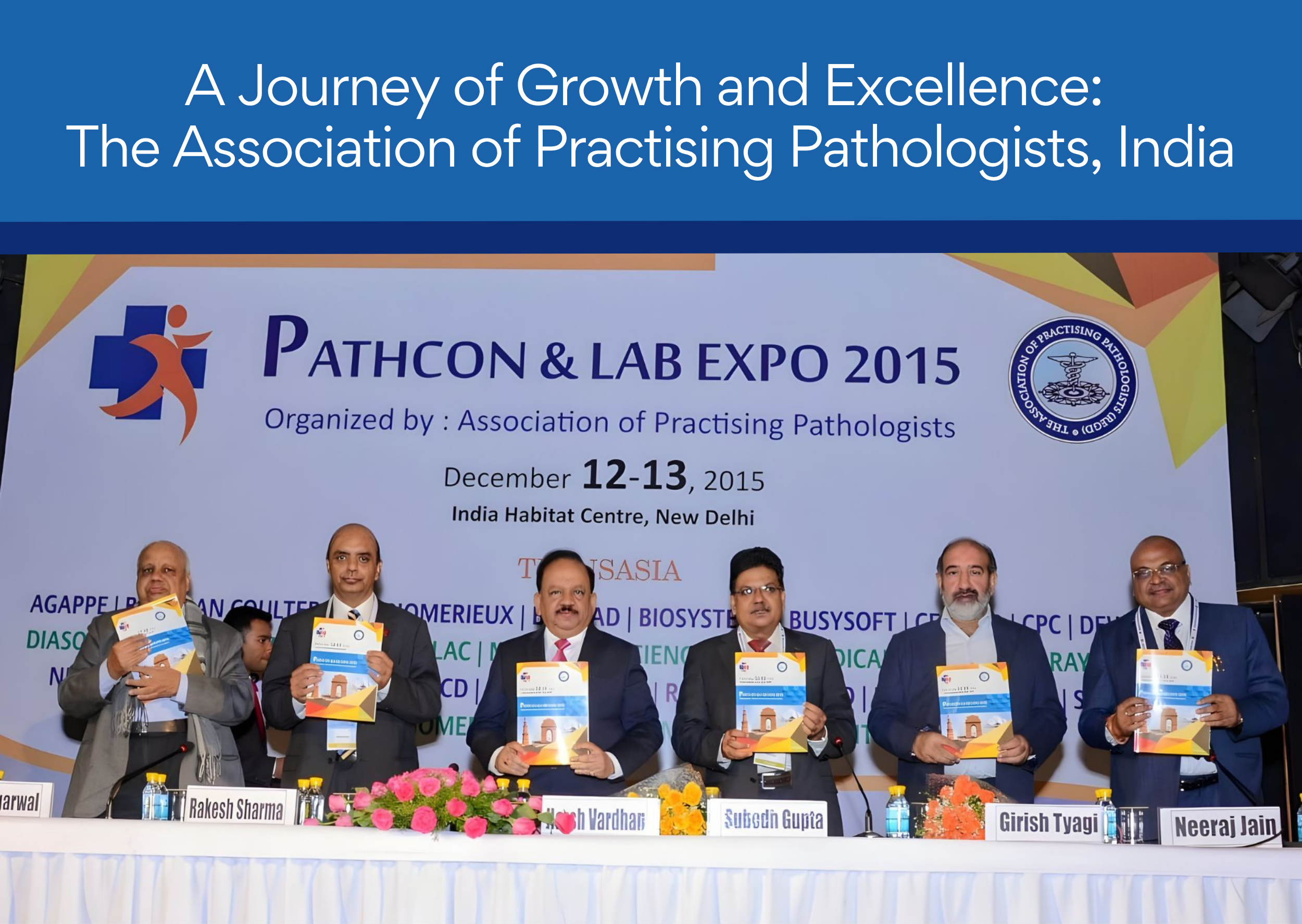
Established in 2001, the Association of Practising Pathologists (APP) India, stepped into the global arena with bold intent, when it became a member of the International Laboratory Accreditation Cooperation (ILAC). Back then, we were a small but determined collective of practising pathologists who believed deeply in raising the bar of laboratory medicine across the country. Today, as we celebrate our Silver Jubilee in 2025, that belief has evolved into a thriving national movement powered by hundreds of dedicated professionals. Twenty-five years of unbroken proficiency testing, unbroken quarterly scientific sessions, and an unbroken commitment to quality—interrupted only briefly during the peak of the COVID‑19 pandemic—reflect the discipline and resilience that define our association.
Our membership with ILAC was a turning point. It gave us not just recognition, but direction—a global framework to benchmark, enhance, and align our systems with international best practices. ILAC did more than endorse us; it pushed us, polished us, and inspired us to build quality systems robust enough for global collaboration while remaining rooted in the realities of Indian healthcare. This support accelerated our mission of establishing a culture of reliability and continuous improvement in pathology.

One of the most transformative steps on this journey was the creation of our own Proficiency Testing (PT) program. Recognising that PT is the backbone of accurate diagnostics, we focused on building accessible, affordable and clinically meaningful PT schemes tailored to the needs of Indian laboratories. Over the years, this program has expanded across all key disciplines of laboratory medicine — including Clinical Biochemistry, Hematology, Immunoassays, Serology, and Microbiology — empowering labs to validate their analytical systems, pinpoint areas needing improvement, and reinforce confidence in their reporting standards. In practice, it brings the philosophy of ISO 15189 directly into day‑to‑day laboratory operations.
But quality is not sustained by systems alone; it thrives on knowledge, collaboration, and shared curiosity. For this reason, education has always been at the heart of APP’s identity. Across 25 years, we have organised over 90 scientific sessions, drawing leading experts from India and abroad. These quarterly meetings have consistently delivered high‑value academic exchanges, featuring slide presentations and in‑depth discussions on pre‑circulated histopathology, cytopathology, and hematopathology cases. This format keeps our members sharp, current, and connected to the evolving diagnostic landscape, spanning digital pathology, molecular diagnostics, advances in clinical biochemistry, and more.

COVID‑19 tested our adaptability, and we rose to the moment. Within weeks, we transitioned to digital platforms and re‑engineered our academic discussions into virtual and hybrid formats. This shift didn’t just help us survive the disruption; it rewired the organisation for the future. Participation soared, geographical barriers fell away, and the association witnessed a surge in membership and engagement. Hybrid case discussions and virtual histopathology and cytology comparison sessions became powerful tools that strengthened collaboration and decision‑making even further.

Our annual Pathcon and Lab Expo has emerged as another defining pillar in our journey. Today, these events stand among the most anticipated national gatherings for pathologists, researchers, and industry leaders. More than conferences, they function as dynamic ecosystems where new ideas, technologies, and innovations are unveiled. For industry partners, the expo is a trusted platform to launch developments; for pathologists and technologists, it is a hub for learning, networking, and shaping the roadmap of Indian laboratory medicine.


As we read the updates from the Bangkok meetings and witness the formation of the Global Accreditation Cooperation, we feel a deep alignment with these global objectives. The themes of harmonisation, mutual recognition, and strengthening quality infrastructures resonate strongly with APP’s long-standing mission. Our growth—from a handful of committed professionals to a nationwide force advocating for quality—mirrors ILAC’s spirit of collaboration and shared progress.
We are honoured to contribute to this historic final issue of the ILAC Newsletter. For anyone wishing to explore our work, our PT programs, or our upcoming academic activities, we welcome you to visit us at www.appvilac.com.
With sincere gratitude to ILAC for its enduring support and encouragement, we look forward to continuing this shared journey—building a stronger, more reliable, and globally connected future for laboratory medicine, both in India and beyond.
Dr Rakesh Sharma MBBS, MD, IFCAP. Founding President 2001-2008 The Association of Practising Pathologists
As a young assessor and enthusiastic accreditor budding in the mid-90s, my first introduction to ILAC (International Laboratory Accreditation Cooperation) was during the early 2000s when the fortification of the primary group of 36 full members was signed in Washington DC. This was an emotional, highly anticipated and technically intriguing moment for those who were near, far and for those directly or indirectly influenced by conformity work.
Every single existing accreditation body (AB) or those under development during that period were filled with awe, apprehensions and more importantly did not realise the effect it would have in years to come. Many did not grasp or understand the fundamental objectives of ILAC at that time, because of the need to focus on reducing technical trade barriers and the importance of acceptance of accreditation bodies by regulators. There was a fundamental need for global market cohesion and the future existence of ILAC depended on regulatory acceptance. However, many existing accreditation bodies were not fully designed to handle the vast majority of testing, calibration and inspection activities within and beyond their national borders. Government and Regulators were not ready to hand over their reins to self-acclaimed third-party accreditation bodies, in fear of having lower technical vigilance over domestic, export and import markets.
The founders of ILAC were men and women of integrity and strength. They were leaders, mentors and role models for many. All those accreditors and accreditation bodies that wished to track their path of safeguarding impartiality, independence, trust, transparency and technical rigor soon followed in their promising footsteps and have now become leaders in their own right for many ABs around the world. Since then, ILAC has done plenty to promote the acceptance of endorsed reports and certificates across governments, regulators, national and state borders. This is and shall be, the full member accreditation bodies’ invaluable contribution and testament to the current acceptance of ILAC across many international spheres in WTO, ISO, UN, geographic regions and many more circles, boasting over 121 signatories to the ILAC Mutual Recognition Arrangement (MRA), to date. The MRA means signatories have formally agreed to accept the results of each other’s accredited conformity assessment bodies as equivalent. If the value proposition of this obligation becomes delusional, then going forward, the ILAC MRA may suffer consequences in promoting free trade. Maintaining this obligation has become an uphill challenge.
ILAC’s expansion from offering acceptance of 2 scopes (testing and calibration) in 2000 to a formidable technical variety of scopes over the last 25 years since its incorporation in 1996 is impressive, largely, due to the vigilant work by the respective secretariats, multi-lateral control of tasks and the passionate and intense support from many technical volunteers from across the globe. Those volunteers inadvertently played crucial roles in keeping ILAC relevant and ‘in the moment’, enabling ILAC to achieve its practical objectives in a planned and harmonious manner. This ethos cascaded into ILAC’s regional cooperation bodies and their regional secretariats who further continued to work tirelessly around the clock to ensure their members are managed, informed, educated and held accountable for their decisions. THE VOLUNTEERS ARE THE TRUE PILLARS OF ILAC.
ILAC largely relies on ISO for the generation of standards intended for the application in laboratories, inspection bodies and other types of conformity assessment activities. The signatory accreditation bodies under ILAC then ensure these standards are used appropriately for their intended purposes by their accredited conformity assessment bodies. However, in the recent past there has been a proliferation of standards spawned by ISO and ISO CASCO work groups. The acceptance of some of these standards in conformity work has become controversial, partisan and created regional domination with self-serving interests. Maybe the ILAC reincarnate will be able to maintain control and a sense of restraint when evaluating new standards and schemes used for accreditation and certification purposes. Conformity structures are already complex to say the least.
It truly has been a great run for ILAC and now it’s time for the merger with International Accreditation Forum (IAF) to become GLOBAL ACCREDITATION COOPERATION INCORPORATED. This new organisation is challenged to define how it will contain the two complex former organisations and what will be the overall consequence of the merger. So, fellow accreditors must do what was done in the past with ILAC and IAF, that is to contribute selflessly. Only active volunteers can bring about consensus change, while the silent majority remain just that ‘silent’. Participation enhances personal growth and is the organisational flagship that will create change for the betterment of conformity structures and assessments.
Volunteering time in committees and in executive positions is the only way to ensure the new establishment can grow, flourish and persist formidably as the one before.
_______________________________________________________________________
Index: CASCO – Committee on Conformity Assessment; IAF – International Accreditation Forum;
ILAC – International Laboratory Accreditation Cooperation; ISO – International Organisation for Standardisation;
WTO – World Trade Organisation; UN – United Nations
_______________________________________________________________________
Author: Mohan Sabaratnam, Senior Vice President, International Accreditation Service (IAS)
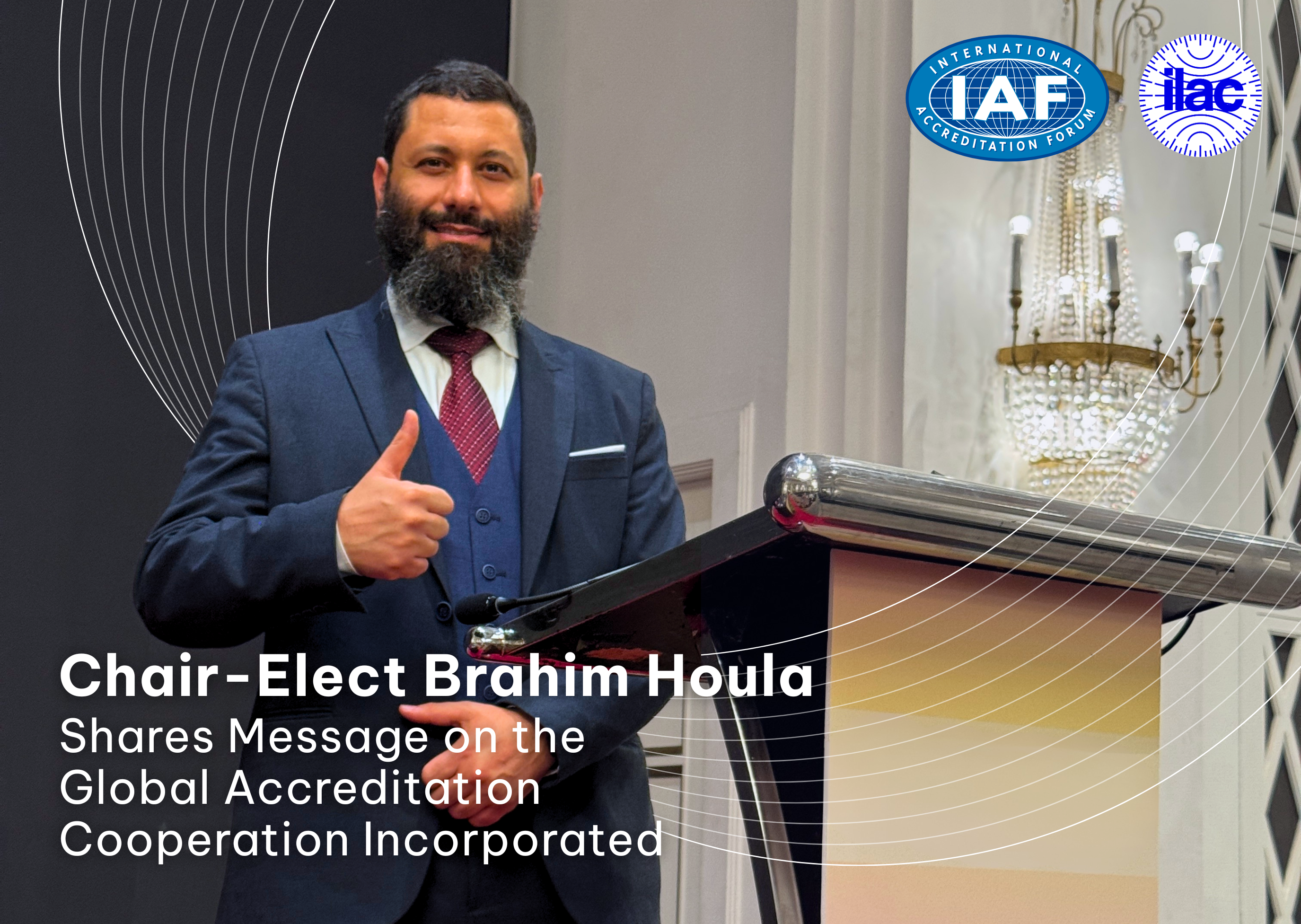
At the recent IAF/ILAC Joint Annual Meetings held in Bangkok, Thailand, Brahim Houla was elected as the next Chair of the Global Accreditation Cooperation Incorporated. In a video message, Mr. Houla shares his reflections on this significant moment for the global accreditation community and outlines what lies ahead as the Global Accreditation Cooperation Incorporated prepares to launch on 01 January 2026.
Mr. Houla emphasises that the formation of the Global Accreditation Cooperation Incorporated will bring together the work of IAF and ILAC under a single organisation and global recognition arrangement.
‘This is more than a new name,’ Mr. Houla explains. ‘It represents the harmony of two organisations creating one global voice for trust, quality and sustainable progress.’
The Chair-Elect describes this development as a celebration of unity, clarity and shared purpose, highlighting the benefits of a simplified and strengthened system that reduces duplication, increases consistency and builds stronger global trust. He reassures stakeholders that accreditation will remain recognised and services will continue seamlessly through the transition.
‘This is a new beginning, the start of a transition built on competence, integrity, and cooperation,’ says Mr. Houla, encouraging all members, partners and stakeholders to engage with and adopt the new structure as the global accreditation community moves forward together.
Watch the full message at the following link: https://www.youtube.com/watch?v=Vp4HFxWl56A
IAF and ILAC members, partners and stakeholders convened in Bangkok, Thailand, this October for the second General Assembly (GA) of the new organisation Global Accreditation Cooperation Incorporated, which was held during the IAF/ILAC Joint Annual Meetings.
Delegates from around the world attended the GA, which marked several historic milestones, including formal steps to wind down IAF and ILAC.
Membership numbers increased significantly, with applications that had been submitted by 21 October being approved. The breakdown of new members is as follows:
All six of the existing Regional Cooperation Bodies (RCBs) also joined the organisation, ensuring a seamless transition to the new Multilateral Recognition Arrangement (MRA). This brings the total number of Global Accreditation Cooperation Incorporated members to 159.
Procedural and guidance documents were approved at the meeting, enabling the new organisation to function as a complete entity from 1 January 2026. Processes for establishing the new MRA and transfer of the ILAC MRA Mark and licencing of the IAF MLA Mark to Global Accreditation Cooperation Incorporated were also formalised. The ILAC and IAF Secretariats are now busy finalising the remaining documents that will be needed from 1 January.
Members elected Brahim Houla from the GCC Accreditation Center, Saudi Arabia as the Chair-elect and Emanuele Riva from Accredia, Italy as the Vice Chair-elect. Both will commence their three-year terms on 1 January 2026, when the new organisation is launched., when the new organisation is launched.
The existing transitional Executive Committee will continue in the role until 31 December, after which the new Executive will take over. Committee Chair elections will take place in November and December 2025, while new membership applications will continue to be approved through the end of the year, ensuring all newly joined organisations can participate in the upcoming Committee Vice Chair elections in early 2026.
General administrative matters were also reported during the meeting, such as insurance, budget, membership fees, communications and future meetings.
Members noted that the next general meetings of Global Accreditation Cooperation Incorporated, including the third General Assembly, would be held in Prague, Czech Republic from 20 – 26 April 2026.
The meeting concluded with heartfelt thanks to the One Organisation Project Steering Committee members, the IAF/ILAC Joint Executive Committee members and all the volunteers whose hard work over the preceding six years has turned the dream of becoming one global voice for trust, quality, and sustainable progress into reality.
Further information is available from: secretariat@global-accreditation.nz
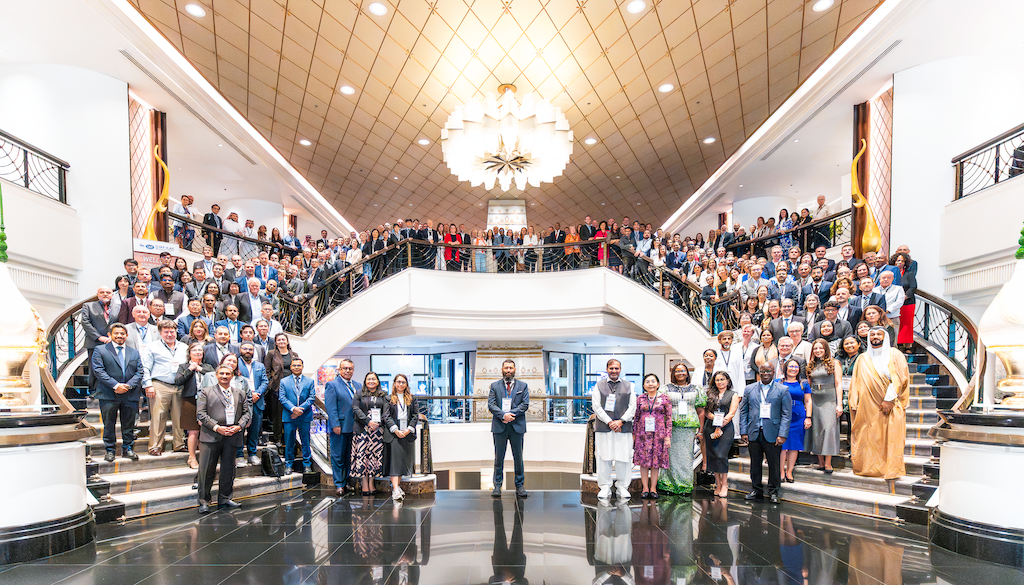
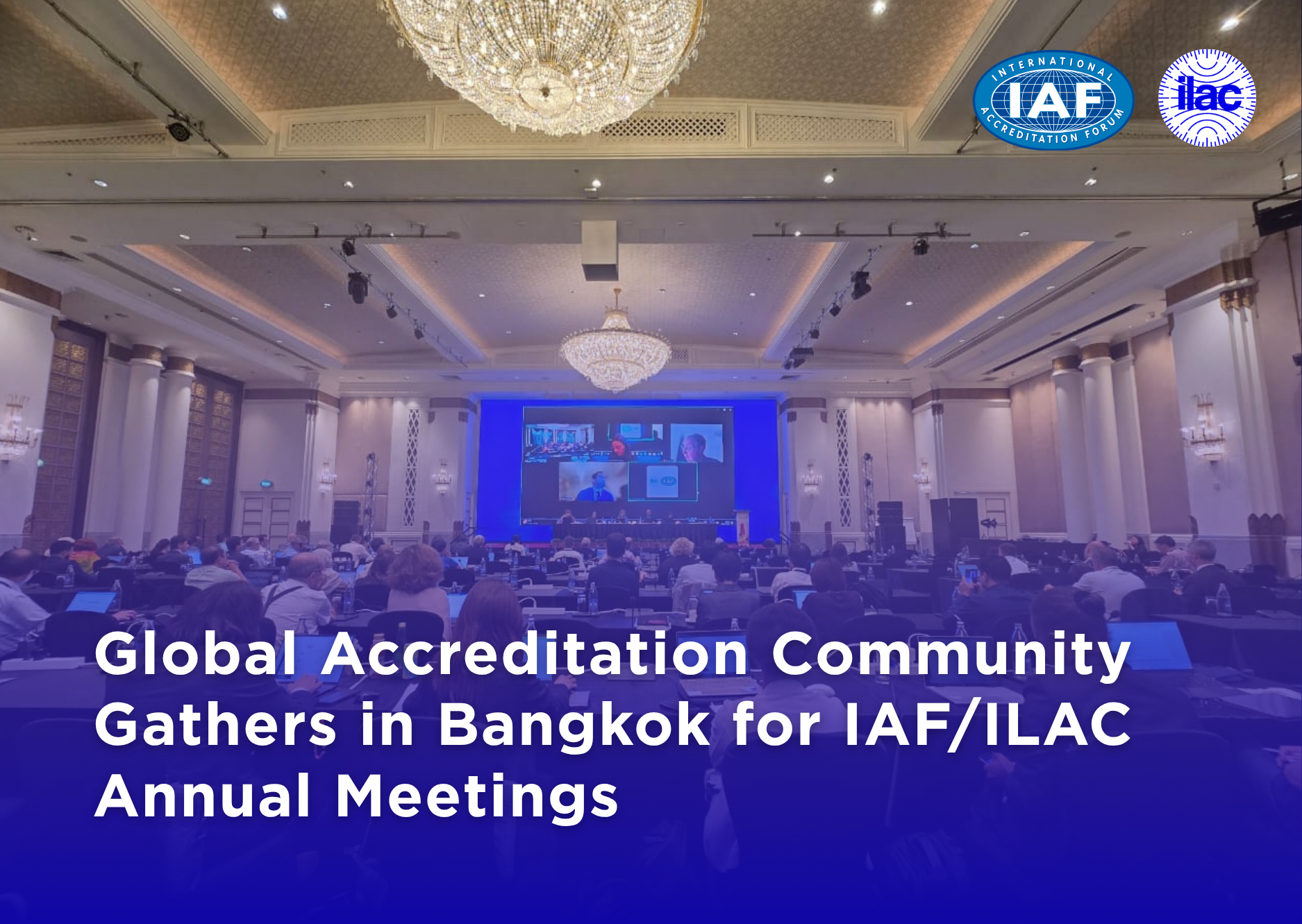
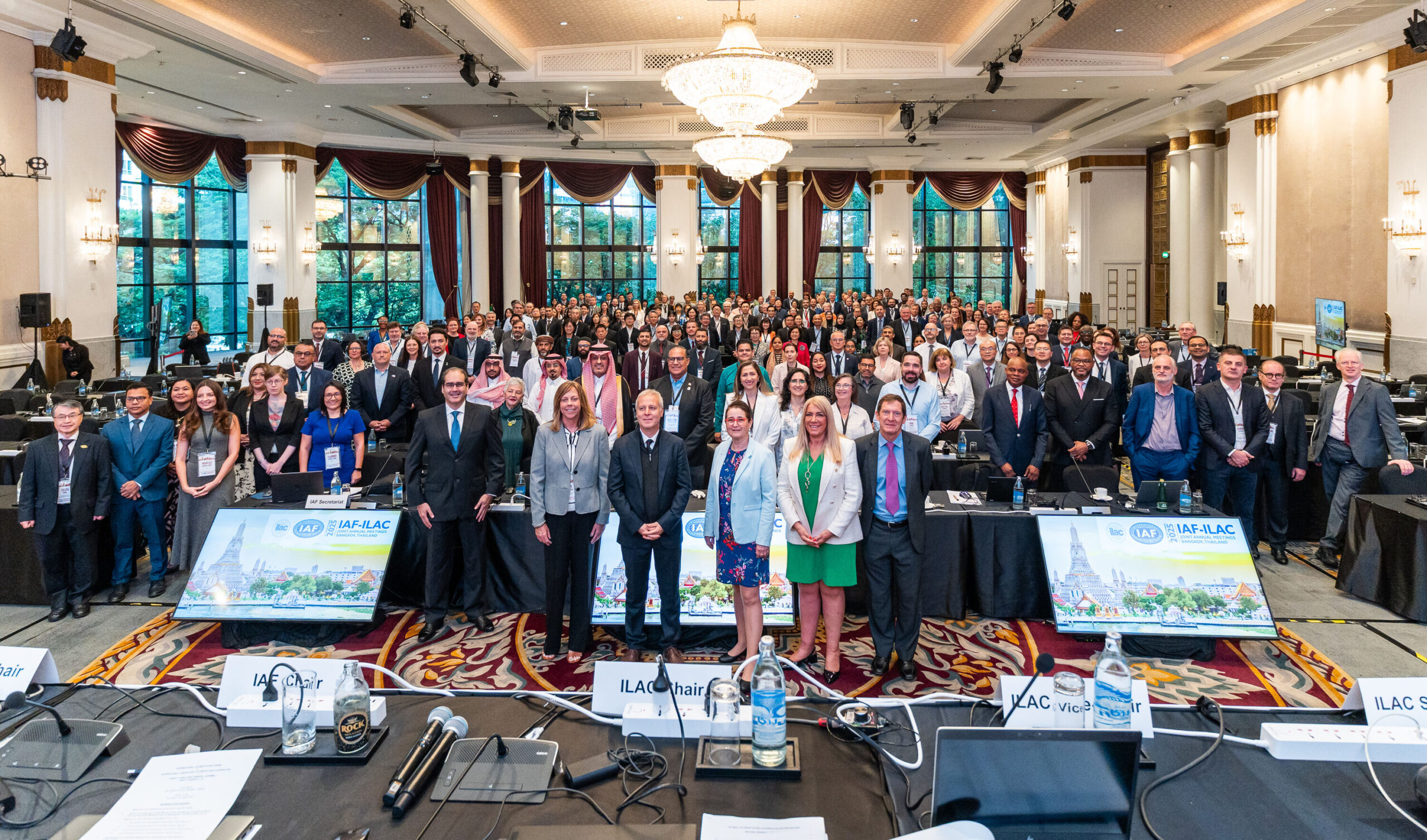
IAF and ILAC members, partners and stakeholders convened in Bangkok, Thailand, this October for the 2025 IAF/ILAC Joint Annual Meetings. Over the course of ten days, delegates from around the world took part in committee meetings, strategic workshops and general assemblies that marked both the culmination of decades of joint work and the beginning of a new era in international accreditation.
The meetings brought together a wide range of activities, including IAF and ILAC committee meetings, the IAF Board meeting, and the separate and joint General Assemblies of both organisations. During the same week, delegates also held the second General Assembly of the Global Accreditation Cooperation Incorporated, the new organisation that will formally succeed IAF and ILAC beginning 01 January 2026.
A major focus throughout the week was preparing for this shift. The launch of the Global Accreditation Cooperation Incorporated represents the next step in a long-standing collaboration between IAF and ILAC, unifying their missions into a single trusted international accreditation organisation. In Bangkok, members approved documents and discussed how existing technical and policy work would continue seamlessly under the new structure, ensuring that the accreditation community will continue giving individuals and organisations worldwide the confidence to trust the accredited processes and results they depend on.
A series of workshops throughout the week highlighted the diversity of topics shaping the future of accreditation. Sessions explored themes such as the growing role of artificial intelligence in conformity assessment, priorities in the field of sustainability, and the role of the conformity assessment ecosystem in supporting regulatory initiatives through mechanisms such as the Carbon Border Adjustment Mechanism (CBAM). The workshops provided valuable opportunities for members to exchange insights and strengthen cooperation.
In closing remarks, IAF Chair Emanuele Riva and ILAC Chair Etty Feller reflected on the historical significance of the Bangkok meetings. They noted that this gathering marked the final time the two organisations would meet in their current forms, a symbolic handover to a unified organisation that will provide one internationally recognised accreditation framework.
The Bangkok meetings were not only an opportunity to review progress and technical achievements but also a moment to celebrate the community’s shared commitment to quality, confidence and collaboration. The launch of the Global Accreditation Cooperation Incorporated on 01 January will build on that legacy, carrying forward the principles of IAF and ILAC into a unified future for global accreditation.

We welcome Nigeria National Accreditation System (NiNAS), Nigeria, as a Full Member of ILAC.
NiNAS joined ILAC as an Affiliate member on 15 December 2017 and then Associate member on 12 June 2018. As NiNAS is a signatory to the AFRAC MRA for the accreditation of calibration and testing laboratories using ISO/IEC 17025, medical testing using ISO 15189 and inspection using ISO/IEC 17020, NiNAS has also been granted signatory status to the ILAC MRA and therefore, Full membership of ILAC.
We welcome NiNAS as a Full Member and look forward to working with our NiNAS colleagues.
The full list of signatories to the ILAC MRA is available here.


