
- Welcome Guest
-


In today’s fast-paced world, the importance of quality assurance in various sectors cannot be overstated. To meet this demand, the Quality and Accreditation Institute (QAI) was established with a clear mission: to create a robust ecosystem that promotes education, training, quality improvement, and accreditation.
At QAI, we believe that sharing knowledge and experiences among professionals and organisations is crucial for advancing quality standards. Our goal is to provide a platform for stakeholders to collaborate, exchange insights, and ultimately realize our vision of enhanced quality across industries.
A significant initiative under QAI is the establishment of the accreditation of Conformity Assessment Bodies (CABs) under Centre for International Accreditation (CIA). This vertical of QAI aims to offer a comprehensive accreditation programme tailored to the needs of various stakeholders, including government bodies, industry associations, and businesses. We provide accreditation to CABs across several key areas, ensuring that quality standards are maintained and recognised globally.
Our accreditation covers:
|
Medical Laboratories (ISO 15189): Ensuring that the labs provide accurate and reliable results, which is vital for patient safety. |
 |
|
Certification of Medical Laboratories as per the requirements of the Central Clinical Establishments Act. |
 |
|
Biobanks (ISO 20387): Our accreditation guarantees that biobanks operate under stringent quality controls, ensuring the integrity of biological samples. |
 |
|
Proficiency Testing Providers (ISO/ IEC 17043): PT providers help organisations evaluate their testing processes and outcomes. |
 |
|
Testing Laboratories (ISO/IEC 17025): Ensuring rigorous testing processes that uphold quality and reliability in results. |
 |
|
Calibration Laboratories (ISO/IEC 17025): These labs play a crucial role in maintaining the accuracy of measuring instruments. |
 |
|
Inspection Bodies (ISO/ IEC 17020): We ensure that inspection bodies conduct their evaluations with a high degree of reliability and integrity. |
 |
|
Reference Material Producers (IS/ISO 17034): This ensures that producers of reference materials maintain the highest standards for the materials used in testing and calibration. |
 |
Through these initiatives, QAI is committed to fostering a culture of quality that transcends industries. We invite professionals and organizations to join us in this endeavour, sharing their expertise and collaborating towards a common goal of excellence.
Together, we can build a future where quality is not just an aspiration, but a fundamental standard across all sectors.
Milestones Achieved by QAI: Paving the Way for Excellence
As we look back on our journey, QAI is proud to highlight a series of significant milestones that reflect our commitment to advancing quality and accreditation:

As we celebrate these remarkable milestones together, we want you to remember that quality is a journey, not a destination. Here at the Quality and Accreditation Institute, we envision a world where excellence is truly embedded in every industry.
By collaborating—sharing our knowledge, experiences, and best practices—we can elevate standards and inspire the next generation of quality leaders. It’s exciting to think about the potential we have to drive progress and make a real impact.
Let’s embrace the future with optimism. Each step we take towards enhancing quality brings us closer to a brighter, more accountable world. Together, we can create a legacy of excellence that resonates for years to come. Quality isn’t just our goal; it’s our commitment to a better tomorrow.

Jordan Accreditation and Standardization Systems – Accreditation Unit (JAS-AU) hosted the closing ceremony of the United Nations Industrial Development Organization -The Swedish International Development Cooperation Agency.

Closing ceremony of the UNIDO-SIDA regional project “Enhancing Accreditation Value Chain in the Arab Region”
4 March 2024 – Amman, Jordan
(UNIDO-SIDA) project “Enhancing Accreditation Value Chain in the Arab Region.” This was a pivotal event for all project stakeholders, as it gave a unique opportunity to show the transformative changes achieved by the UNIDO-SIDA project in the area of quality infrastructure and regional trade integration for the benefits of Arab countries.
The event successfully brought together more than 100 participants to discuss achievements and prospects for regional trade integration during a strategic event organized on 4 March 2024, in Amman, Jordan. The event was held under the patronage of, The Minister of Industry, Trade, and Supply of Jordan. It marked a key milestone in strengthening the regional quality infrastructure after years of collaborative efforts between ARAC and the United Nations Industrial Development Organization (UNIDO), the Swedish International Development Cooperation Agency (SIDA), and the Arab Industrial Development, Standards, and Mining Organizations (AIDSMO).
Throughout the event, sharing knowledge, lessons learned, and best practices generated by the project, in particular by demonstrating how project interventions at three different layers (institutional support to Arab Accreditation Cooperation (ARAC) and its members, intermediary support to Conformity Assessment Bodies (CABs), and enterprise-level support) are interrelated and interdependent and all contributed to achieving the same objective.
The event explored the way forward and discussed recommendations for accelerating regional trade integration through potential replication/scale-up in Jordan and the entire Arab region.
The different sessions were conducted in a highly visual and interactive format by giving the floor to key project stakeholders, with a special emphasis on beneficiaries, including ARAC, CABs, and Small and medium-sized enterprises (SMEs).

On 1 March 2024, Cofrac opened up accreditation for the inspection of independent operators, remote service providers and their employees who need to access to information relating to the repair and maintenance of vehicles with regard to safety.
What is SERMI ?
SERMI is a European association set up to develop, operate and maintain a specific system aimed at regulating the terms of access to information and security data concerning the repair and maintenance of vehicles made available to independent operators. It is jointly managed by vehicle manufacturers and independent operators as stakeholders. The aim of the system developed by SERMI is to approve and authorize independent operators working in the European automotive aftermarket to allow them to access sensitive vehicle data, related to security, for repair and vehicle maintenance.
How was this new accreditation developed?
This system is a European initiative driven by Regulation (EC) No. 692/20081 and taken up by Regulation (EU) No. 2017/1152. The foundations laid in 2017 were reinforced by Regulation (EU) No. 2018/8583 which specifies the forum’s activities and responsibilities in Annex 10.
In 2018, the forum, now SERMI drew up the accreditation scheme and asked ENAC, the Spanish national accreditation body, to analyse and validate it at the European level. The publication of delegated regulation (EU) n°2021/12444, which will modify Annex 10, clarifies responsibilities and the implementation of the SERMI scheme, in particular with the addition of Appendix 3 on the approval and authorization procedure for independent operators’ access to safety devices.
Following these changes, SERMI amended the accreditation scheme which was formally approved by the European co-operation for Accreditation (EA) in May 2023.
How does the SERMI scheme work
To meet the obligation to publish the security data required for vehicle maintenance, each manufacturer has a dedicated website with secure access. To log in and access the safety information he needs, the technician working for an independent operator needs secure authentication. The Trust Center plays a crucial role in the system. Established in the context of the implementation of this European regulation, it validates access to manufacturers’ data by authorizing requests only if they come from authorized persons. To obtain authorization keys, operators and their employees must be inspected by an accredited inspection body.
How does the introduction of the accreditation system mean?
Cofrac introduced accreditation on March 1 2024 for type A inspection bodies in compliance with EN ISO/IEC 17020 standard. Under this accreditation system, the independent operator applies to the accredited inspection body for the approval and authorization for one or more of its employees.
The inspection is carried out in two stages:
For the operational implementation of the accreditation system, the Inspection department has trained and qualified a technical assessor r with solid experience of the context and operation of operators involved in vehicle maintenance and repair. Since June 21, the first inspection body has been accredited to carry out SERMI inspections.

National Accreditation Board for Testing & Calibration Laboratories (NABL), India PTP/RMP Conclave, 2024
The 8th PTP/RMP Conclave was held on the 30th and 31st of August 2024, organized by the NABL at Mysuru, Karnataka, India.
NABL has been hosting this annual conclave for Proficiency Testing Providers (PTPs) and Reference Material Producers (RMPs) since 2017, consistently in the month of August.
The Objective of the conclave is to address key challenges and promoting continuous improvement through competition among PTPs & RMPs. Also, the event provides the latest developments and innovations relevant to PTPs and RMPs, ensuring they stay informed and aligned with industry advancements.
The conclave was attended by about 140 delegates, including representatives from PTPs, RMPs, laboratories, distinguished dignitaries from various government and regulatory bodies.
This conclave serves as a collaborative platform for PTPs, RMPs and other stakeholders, facilitating the exchange of ideas and expertise through case study presentations.


Conclave Highlights
To address key challenges and promoting continuous improvement through competition among PTPs & RMPs, the participation of accredited PTPs and RMPs showcased expertise in proficiency testing and reference material production. Each RMP presented their specific production strategies. They presented their comprehensive production plans for reference materials, detailing their methodologies and approaches to ensure quality & consistency of production. In parallel, each PTP demonstrated their proficiency testing schemes, emphasizing the design and conduct of Proficiency testing. They discussed the challenges they encountered and the strategies employed to address them.
Panel of Experts evaluated the presentations and the top presenters were awarded trophies.
PTPs and RMPs also showcased their work through Posters. Best poster was awarded.


Announcement of 2025 Conclave

Contact Details of NABL
Ms Anita Rani
Joint Director & Head – PTP & RMP Accreditation Program
National Accreditation Board for Testing and Calibration Laboratories (NABL)
Plot No. 45, Sector 44, Gurugram – 122003, Haryana, India
Phone: 91-124-4679700 (30 lines); 91-124-4594800/801/802;
Fax: 91-124-4679799
Website: www.nabl-india.org
Email: anita@nabl.qcin.org

Reproduced on behalf of A2LA.
With great sadness, The American Association for Laboratory Accreditation (A2LA) shares the passing of founding member and first president, John William Locke, at the age of 91. Locke passed away on September 11, 2024, after a brief illness.
John served as A2LA’s first president for 10 years from 1986-1996 and made monumental contributions to the global accreditation industry throughout his long, successful career.
“Without John, A2LA wouldn’t be here today,” said A2LA’s current President and CEO Lonnie Spires.
“Once I began traveling internationally and working with APLAC and ILAC, I saw his fingerprints everywhere on the international accreditation landscape,” said A2LA Vice President of Accreditation Services Trace McInturff. “John’s vision went beyond just establishing a domestic accreditation body that could service all industries in the United States. It included the goal of ‘one accreditation accepted everywhere’—which has been achieved with ILAC today.”
John Locke Award
Since 2006, A2LA has presented an annual award in John’s namesake, the John Locke Award—and is the highest honor presented by the association. The award honors a distinguished recipient for their years of hard work and dedication in accreditation. To achieve this honor, the recipient must achieve six out of seven of the following criteria:
John W. Locke’s Life
John was born in LaSalle, Illinois on January 27, 1933, and grew up on a farm tending to animals. He attended high school and junior college at St. Bede Academy and went on to earn a Bachelor of Science Degree in Aeronautical Engineering from the University of Illinois. In 1955, John married his wife Margaret Kincius, and together, they had six children.
During his career, John worked on Cold War era airplanes and missiles, and later on, worked for various government agencies. He then transitioned to developing standards for the accreditation of laboratories. After John retired from a successful career in the accreditation industry, he studied at seminary and was ordained a Deacon in the Catholic Church.
Honoring John’s Memory
John’s legacy will forever be remembered by A2LA’s leadership, staff, assessors, and even many longtime customers. A2LA’s headquarters, located in Frederick, MD, includes a conference room named in John’s honor, the Locke Conference Room.

09 June 2024 marked World Accreditation Day (WAD), an initiative established by IAF and ILAC to raise awareness about accreditation. Each year, WAD brings the global conformity assessment community together with events, webinars and workshops.
With the theme of ‘Accreditation: Empowering Tomorrow and Shaping the Future’, WAD 2024 underscored the important role of accreditation in navigating the complexities of an evolving world. As technology advances and global challenges persist, accreditation will continue to empower consumers, industries and governments by supporting quality, safety and sustainability.
To commemorate the day, IAF and ILAC held a webinar with speeches from IAF Chair Emanuele Riva, ILAC Chair Etty Feller, ISO/CASCO Chair Caroline Outa, and WADA representatives Olivier Rabin (Senior Director, Science and Medicine), Victoria Ivanova (Senior Manager, International Partnerships) and Osquel Barroso (Senior Associate Director, Laboratories Science and Medicine). The speakers provided valuable insights into the benefits of accredited conformity assessment and standards across various sectors. They highlighted how accreditation enhances trust, facilitates international trade, and supports the Sustainable Development Goals. View a recording of the webinar here.
IAF and ILAC members held additional celebrations in their own economies or virtually, and published materials to raise awareness of accreditation. Join us in exploring their activities by downloading the PDF with all the celebrations below.
We eagerly anticipate celebrating with our members and stakeholders again in 2025!
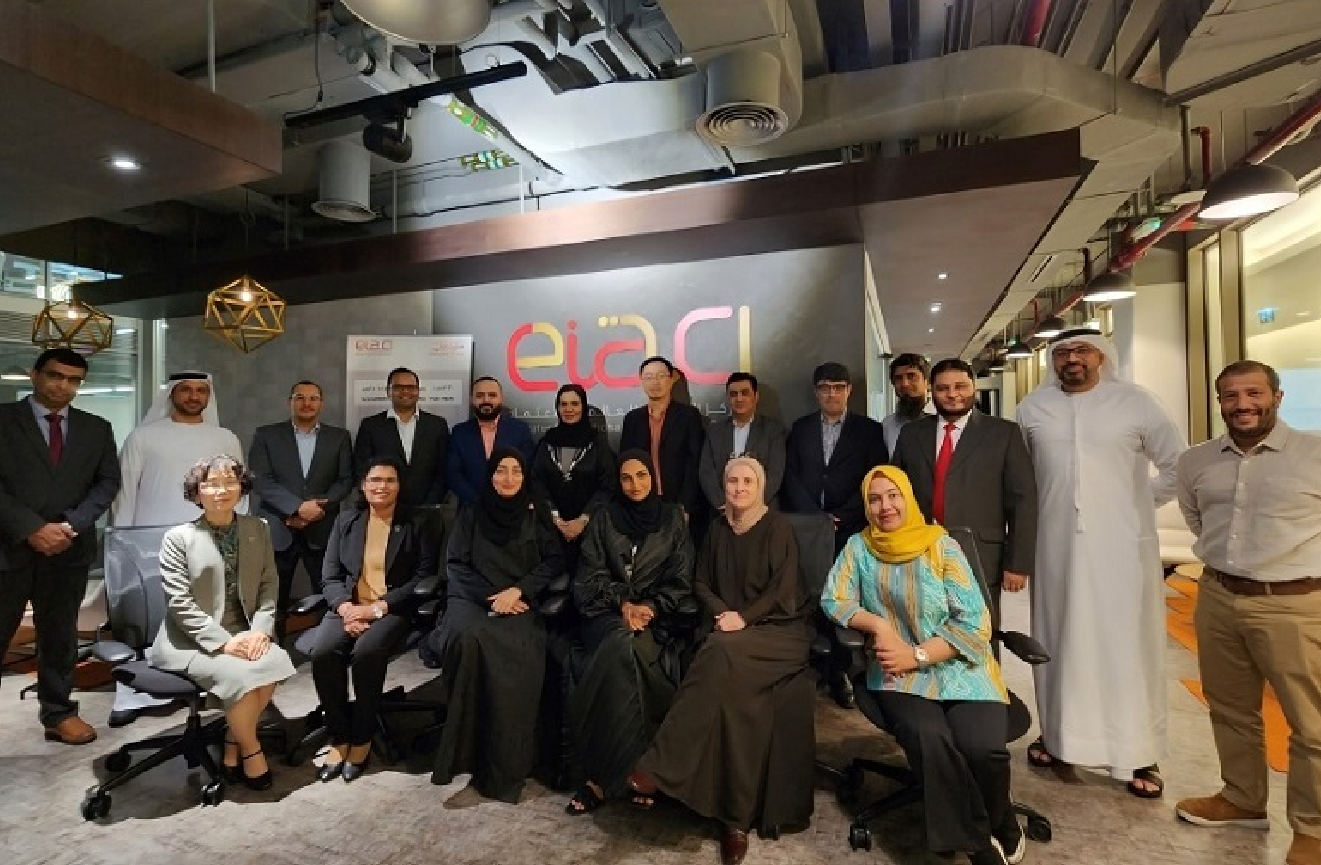
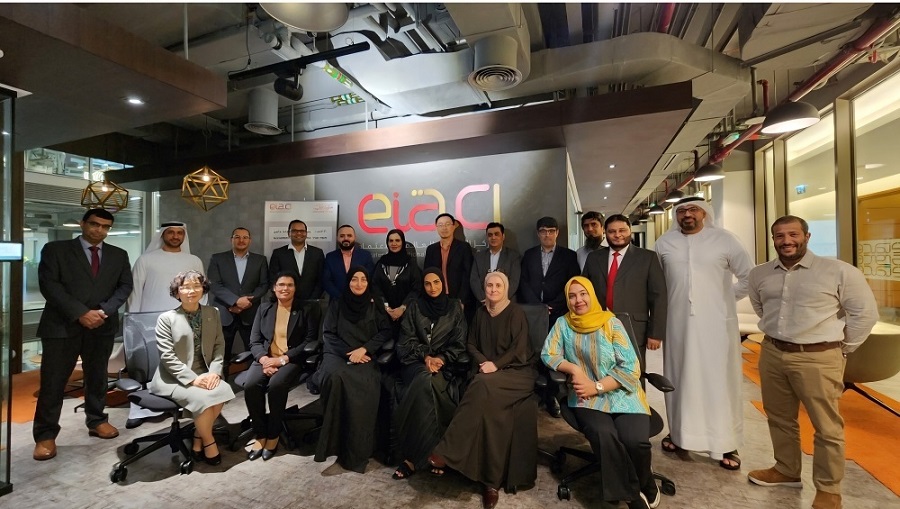
EIAC’s peer evaluation for existing and new scope
The peer evaluation of Emirates International Accreditation Centre (EIAC) was conducted on 20-24 November 2023. The peer evaluation was jointly conducted by the Asia Pacific Accreditation Cooperation (APAC) and Arab Accreditation Cooperation (ARAC). The eight-member peer evaluation team was comprised of peer evaluators from accreditation bodies of Thailand, Japan, Indonesia, India, Sri Lanka, Egypt, Tunisia, and USA.
The peer evaluation covered the existing scope ISO/IEC 17021-1 (for ISO 9001, ISO 14001, ISO 45001, ISO 22000 & ISO 27001), ISO/IEC 17065 and ISO/IEC 17024 and new scope of ISO/IEC 17043 Conformity Assessment-General requirements for the competence of proficiency testing providers.
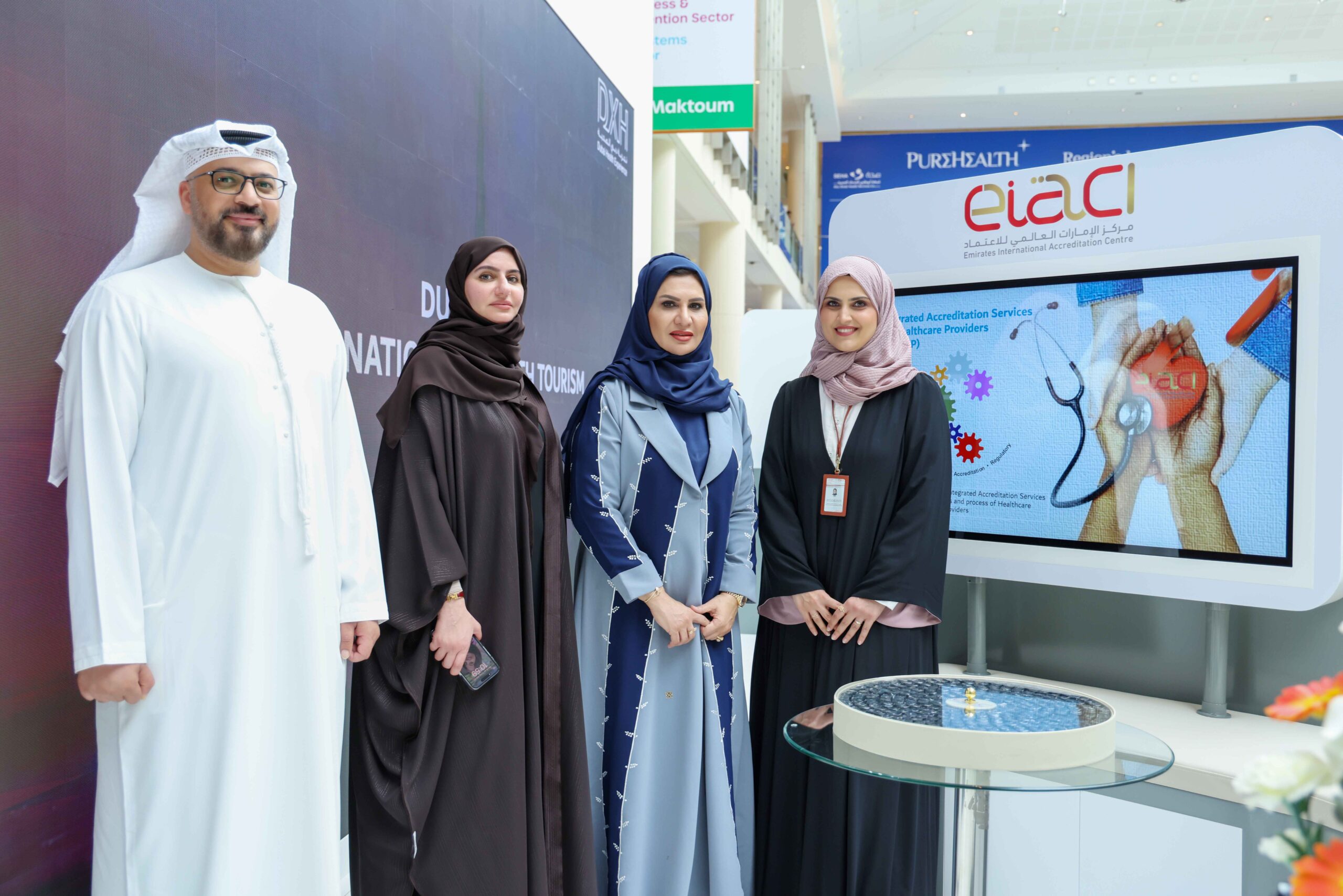
EIAC participated in Arab Health Exhibition & Congress 2024
The Emirates International Accreditation Centre (EIAC) participated in Arab Health Exhibition and Congress held on 29 January to 1st February 2024. Arab Health is largest exhibition and forum of medical field in the region. A large number of exhibitors of medical products including devices, pharmaceuticals, healthcare service providers and medical professionals attended the exhibition and discussion forums. The EIAC had a dedicated booth in the exhibitions. Large number of medical professionals from healthcare sector including medical laboratories visited the EIAC booth.
EIAC’s new scheme for persons certification bodies
The Emirates International Accreditation Centre (EIAC) has launched a new scheme for ISO/IEC 17024 persons’ certification bodies. The certification scheme is developed by the regulatory body, Health & Safety Department of Dubai Municipality. The aim of the scheme is to enhance the health and safety conditions at laborers’ accommodations. As per the scheme requirements, the accredited persons’ certification bodies will be responsible to provide certifications to competent “health & Safety Officers” for laborers’ accommodations. The laborers and other people living in those accommodations will be the beneficiary of the scheme.
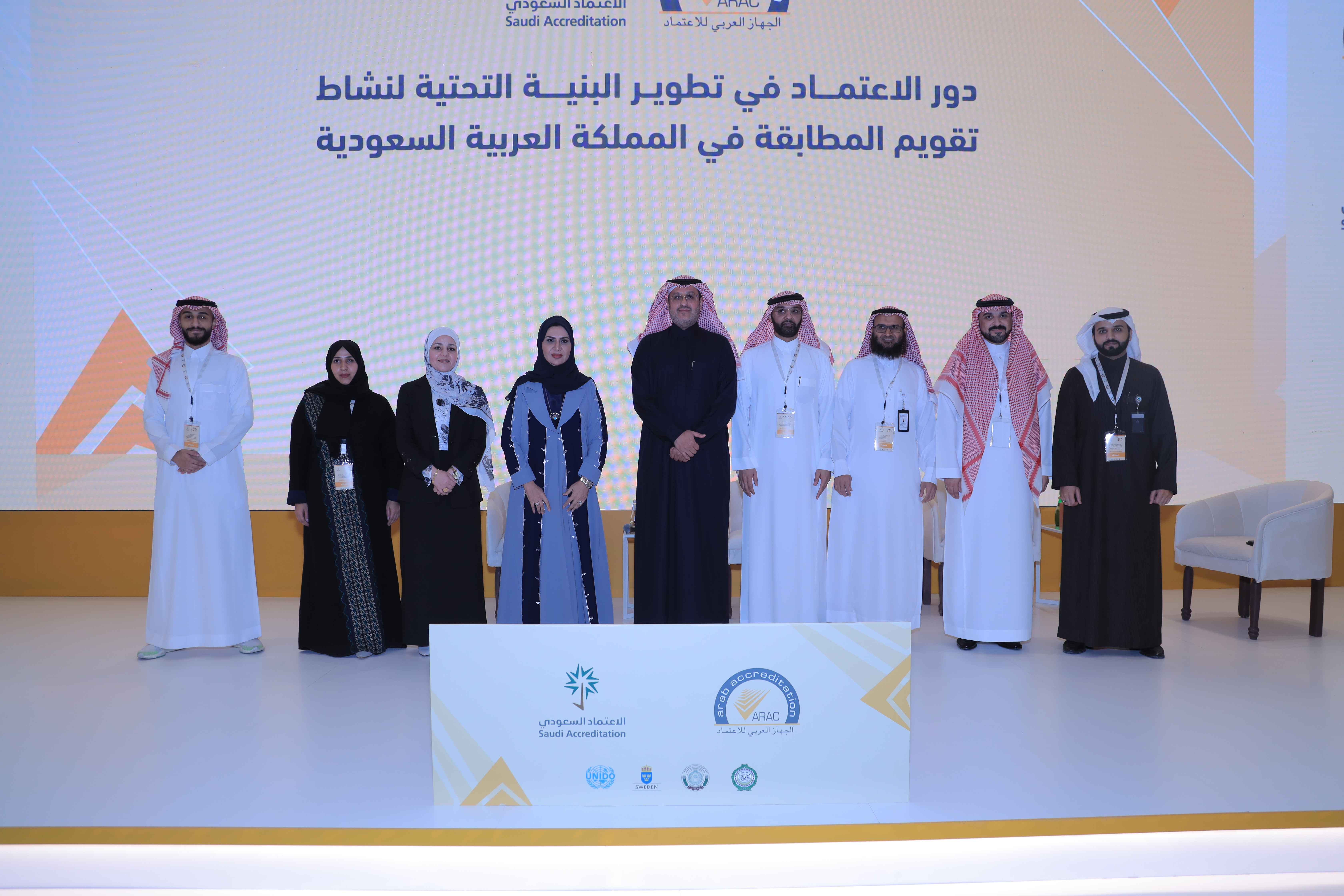
EIAC attended ARAC’s annual meetings in Riyadh, Saudi Arabia
The 11th annual meetings and general assembly of Arab Accreditation Cooperation (ARAC) were held from 5th to 14th December 2023 in Riyadh, Saudi Arabia. The meetings were hosted by the Saudi Accreditation Center (SAAC). EIAC delegation, headed by Ms. Amina Ahmed Ahmad, CEO attended the annual meetings.
EIAC conducted trainings for conformity assessment bodies
The Emirates International Accreditation Centre (EIAC) has conducted various training sessions over the past few months.
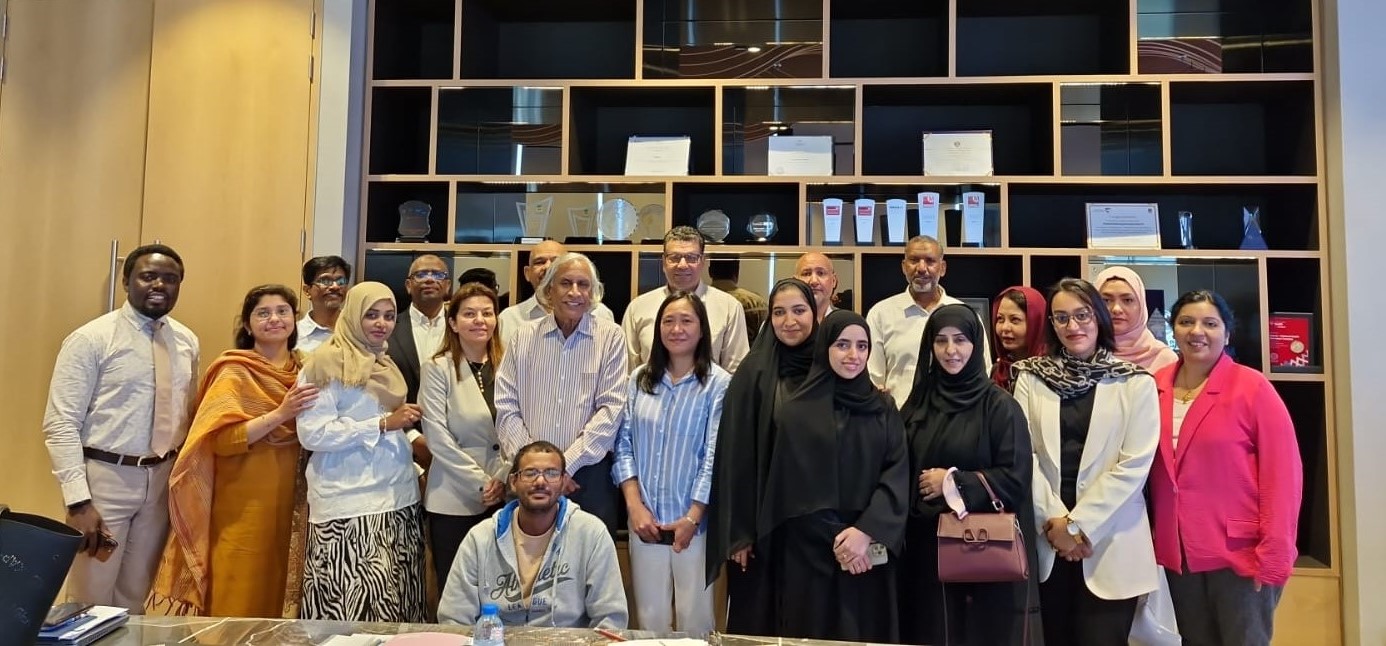
ISO 15189 training was conducted for medical laboratories and assessors and experts. Dr. Venkatesh Thuppil was the resource person. The training was conducted on 26-29 February 2024.
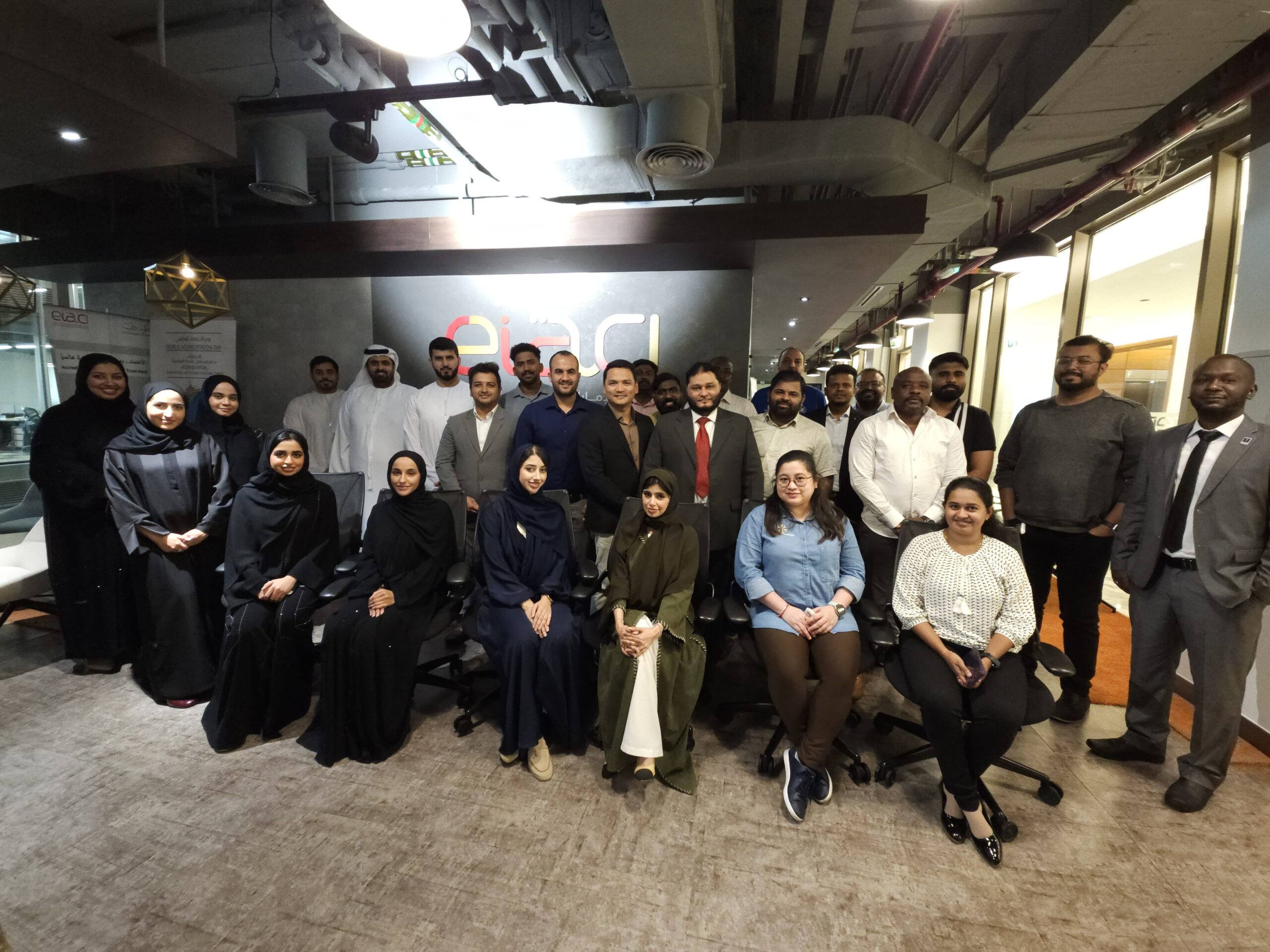
ISO/IEC 17024 training was conducted for persons certification bodies. The training also covered the conformity assessment requirements. The training was attended by delegates from various public and private entities including Dubai Police. Engr. Muhammad Shahid Rasool was the resource person for the training. The training was conducted on 21-22 February 2024.
Trainings of transition to new version of ISO 15189, Biobank and Halal standards were also conducted. Dr. Venkatesh Thuppil, Mr. Mohammed Abdel Motagaly and Mr. Erik Reisdorf were resource persons.
EIAC jointly hosts APAC annual meetings
The Emirates International Accreditation Centre (EIAC) along with Emirates National Accreditation System (ENAC) and GCC Accreditation Center (GAC) will jointly host the annual meetings of Asia Pacific Accreditation Cooperation (APAC) in Dubai, UAE on 13-18 July 2024. This is the first time that annual meetings and general assembly of APAC being held in the UAE and middle east region.

In the ever-evolving realm of healthcare, adherence to internationally recognized standards is of utmost importance to ensure quality, reliability, and credibility of laboratory services. The ISO 15189 standard, updated in December 2022, serves as a cornerstone for quality management and technical competence in medical laboratories.
The Mauritius Accreditation Service (MAURITAS) has, as of now, accredited 7 medical laboratories in accordance with ISO 15189:2012, “Medical Laboratories – Requirements for quality and competence’’, for a total of 148 parameters in the medical subfields of immunology, biochemistry, haematology and microbiology. Recognizing the importance of staying abreast of the updates to the standard, MAURITAS organised a training course from 05 to 08 February 2024, for its staff, assessors and other stakeholders.
 Dr Sambhu Chakraborty and the 21 participants
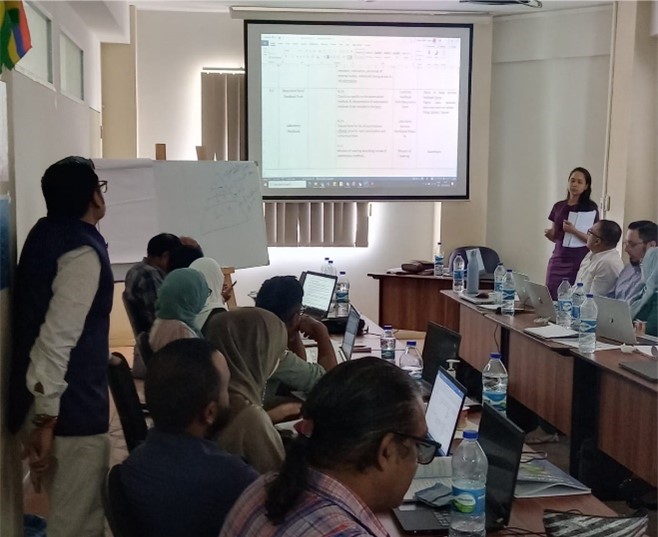
Participants during the training course
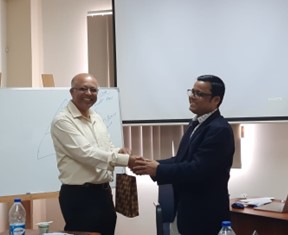
Mr Chankar Bheekhun (L), Accreditation Manager of MAURITAS
presenting a souvenir gift to Dr Sambhu Chakraborty (R)
The training course was facilitated by Dr. Sambhu Chakraborty from the Institute of Applied Quality Management & IAQM Consultants Pvt Ltd, India. With his expertise, Dr. Chakraborty guided the 21 participants through an intensive curriculum that covered various aspects of the ISO 15189:2022 standard and its practical implications. Participants had the opportunity to network with industry peers, forge valuable connections, and build a community committed to upholding standards of excellence in laboratory practice.
This training course has equipped professionals with the knowledge and skills to navigate the revised standard, and drive continuous improvement within the medical laboratory sector.

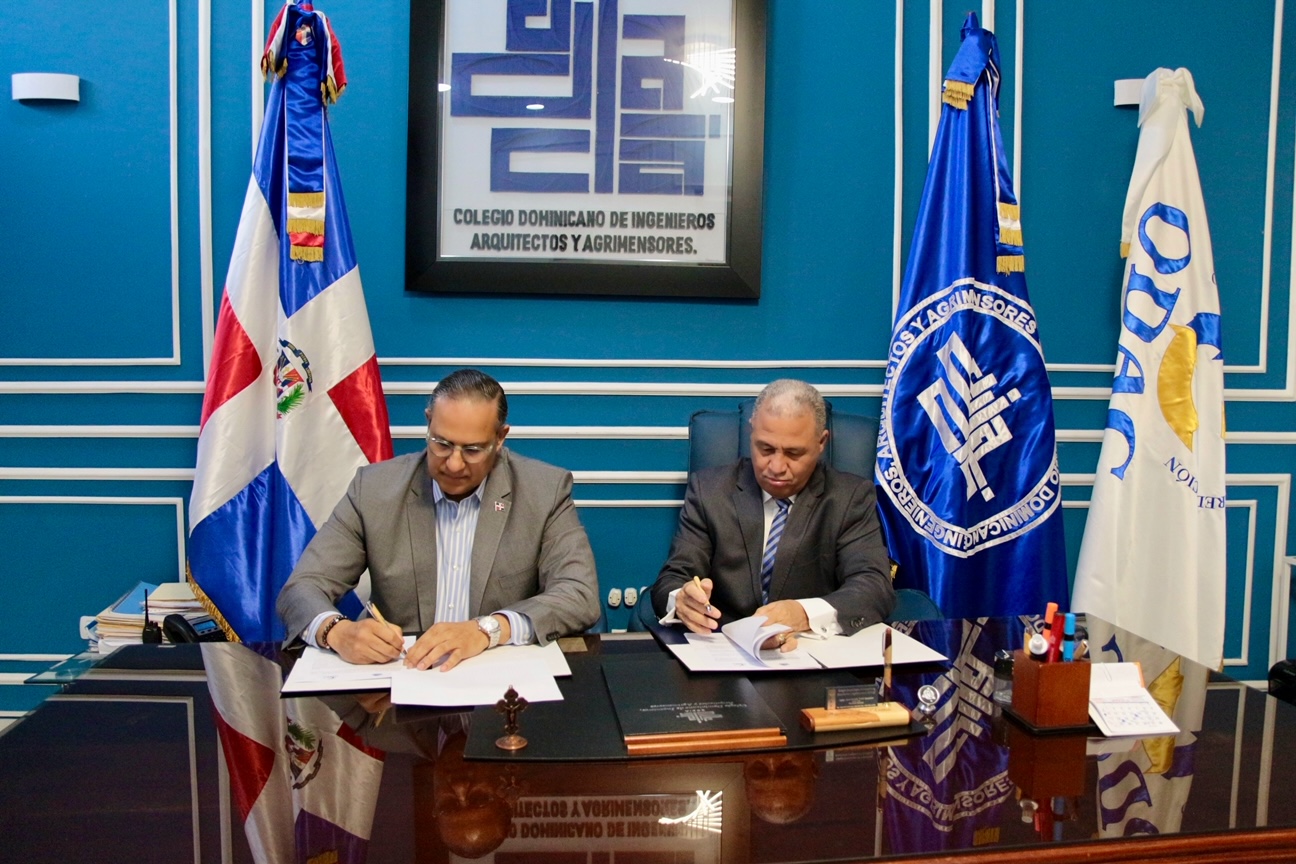
Santo Domingo, Dominican Republic
March 21st, 2024
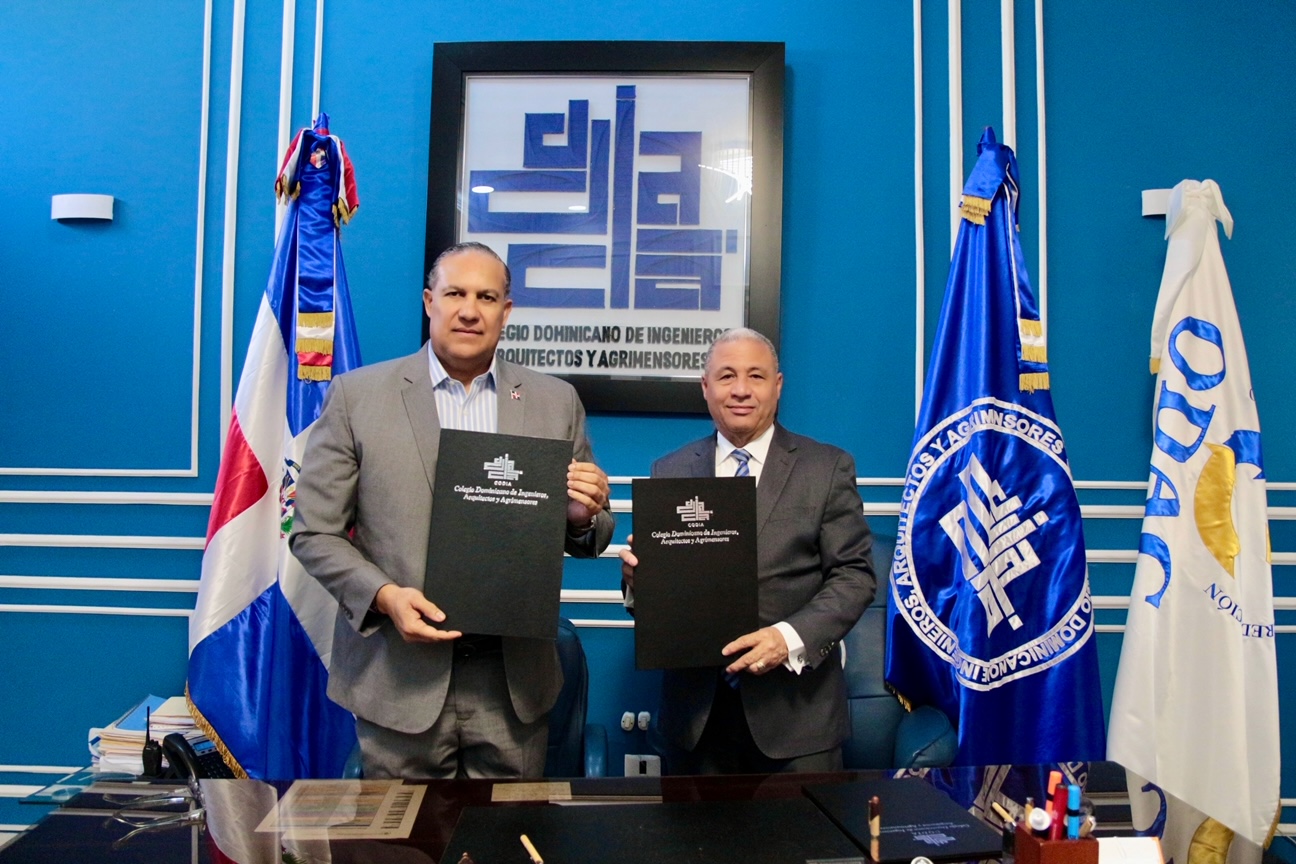
The Dominican Accreditation Body (ODAC) and the Dominican College of Engineers, Architects, and Surveyors (CODIA) signed a collaboration agreement that will enable the management of projects to benefit the construction sector.
The agreement was signed by the director of ODAC, Ángel David Taveras Difo, and the president of CODIA, Juan Villar González, with the aim of contributing to the institutional strengthening of both entities.
Ángel David Taveras Difo valued the signing of the agreement, which will be a great contribution to strengthening the quality infrastructure and confidence, in the acquisition of products and services.
“The signing of this agreement reaffirms our commitment to quality and the generation of trust in the country’s construction sector, whose activities directly impact the growth of commerce, tourism, and consequently, the Dominican economy, and of course, the safety of the Dominicans,” said the official.
The agreement establishes that CODIA will prepare a regulatory resolution that establishes a proposal for the ODAC accreditation process for conformity assessment bodies.
In addition, it contemplates the joint development of training programs that facilitate the training of technical or managerial personnel of both entities, taking care of compliance with the impartiality requirements by international standards and criteria.
Jordanian Accreditation System – Accreditation Unit (JAS-AU) is proud to announce that it has expanded its services to include accreditation of Proficiency Testing Providers (PTP) according to the requirements of ISO/IEC 17043 standard.
JAS-AU has been working diligently to expand its services in the field of accreditation of PTP since 2022. This is due to the importance of proficiency testing results and their use as a tool to demonstrate conformity assessment bodies’ (CABs) competence, in order to improve the national quality infrastructure. It also recognises the increasing demand of local PTPs to overcome the obstacles that CABs (laboratories specifically) face when participating with providers abroad. For example, shipping costs have recently increased, and increasing accreditation areas which it is difficult to cover by PTP, and the restrictions by the customs agency in all around countries.
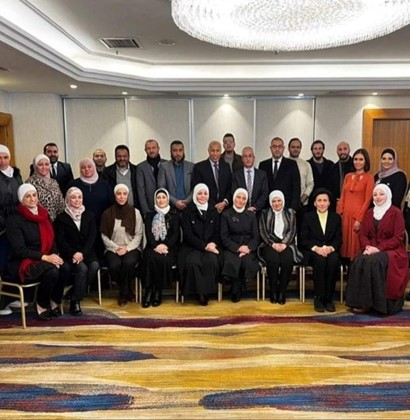
Technical support for this project was provided by UNIDO, and an accreditation expert was involved in the project. Several activities took place according to a predefined plan as follows:
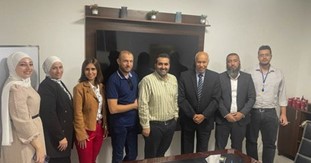

The desired goal of the visits, which was to evaluate the competence of JAS-AU and its assessment teams was achieved, as the technical expert expressed his satisfaction and praised the competence of the assessment team members, the extent of their commitment, and their ability to assess the requirements.
Consequently, JAS-AU has officially launched a new service to accredit PTP according to ISO/IEC 17043 and ILAC policies.
JAS-AU will continue to build on this achievement and prepare to apply for extending its signatory status of the Arab Accreditation Cooperation MLA (ARAC MLA) to cover the scope of accreditation of Proficiency Testing Providers. This will ultimately lead to the extension of its ILAC MRA signatory status.