
- Welcome Guest
-



The signatory status of National Accreditation Bureau (BoA), Vietnam, to the ILAC MRA has been extended to include the accreditation of Proficiency Testing Providers (ISO/IEC 17043) and Reference Materials Producers (ISO 17034).
The full list of signatories to the ILAC MRA is available from https://ilac.org/signatory-search/ .
As a reminder, the official acronym and mark of the organisation will be released at a later point in the mark registration process (estimated in April 2026). Until that time, you are requested to use the full name of the organisation.
Please note the following:
Email addresses: As of 01 January, general correspondence should be sent to secretariat@global-
Websites: A temporary Global Accreditation Cooperation Incorporated website is available at www.
The IAF and ILAC websites will remain available for archival/reference purposes, to allow individuals to continue accessing documents and other information. No new updates will be posted on these websites.
News: Global Accreditation Cooperation Incorporated news will be available on the website above and from the Global Accreditation Cooperation Incorporated newsletter. We encourage all members to subscribe to our mailing list for updates: http://eepurl.com/ju2yr6
Social media: Updates will be distributed via the IAF and ILAC social media channels until the acronym and logo are released and the Global Accreditation Cooperation Incorporated social media accounts are launched:
IAF LinkedIn: International Accreditation Forum Inc
ILAC LinkedIn: International Laboratory Accreditation Co-operation (ILAC)
IAF X: @IAF_Global
ILAC X: @ILAC_Official
We encourage you to distribute this information further as appropriate. If you have any questions, please contact secretariat@global-
The decision to establish a new international organisation, Global Accreditation Cooperation Incorporated, was made after years of strategic planning and consultation between the International Accreditation Forum (IAF) and the International Laboratory Accreditation Cooperation (ILAC). It also is the natural progression with key joint activities already in place, such as the Joint General Assembly, Joint Executive Committee, Joint Management Committee for both the ILAC MRA and IAF MLA, Joint Working Group Communications, Joint A Series documents and joint meetings.
In 2019, the 19th IAF-ILAC Joint General Assembly held in Frankfurt adopted two resolutions:
In October 2024, at the 22nd Joint IAF and ILAC General Assembly held in Berlin, both memberships formally endorsed the establishment of the new body.
Global Accreditation Cooperation Incorporated was formally registered as an Incorporated Society on 6 December 2024 under the New Zealand Incorporated Societies Act 2022.
In October 2025 the second General Assembly of Global Accreditation Cooperation Incorporated took place.
All six of the existing Regional Cooperation Bodies (RCBs) also joined the organisation, ensuring a seamless transition to the new Multilateral Recognition Arrangement (MRA). This brought the total number of Global Accreditation Cooperation Incorporated members to 159.
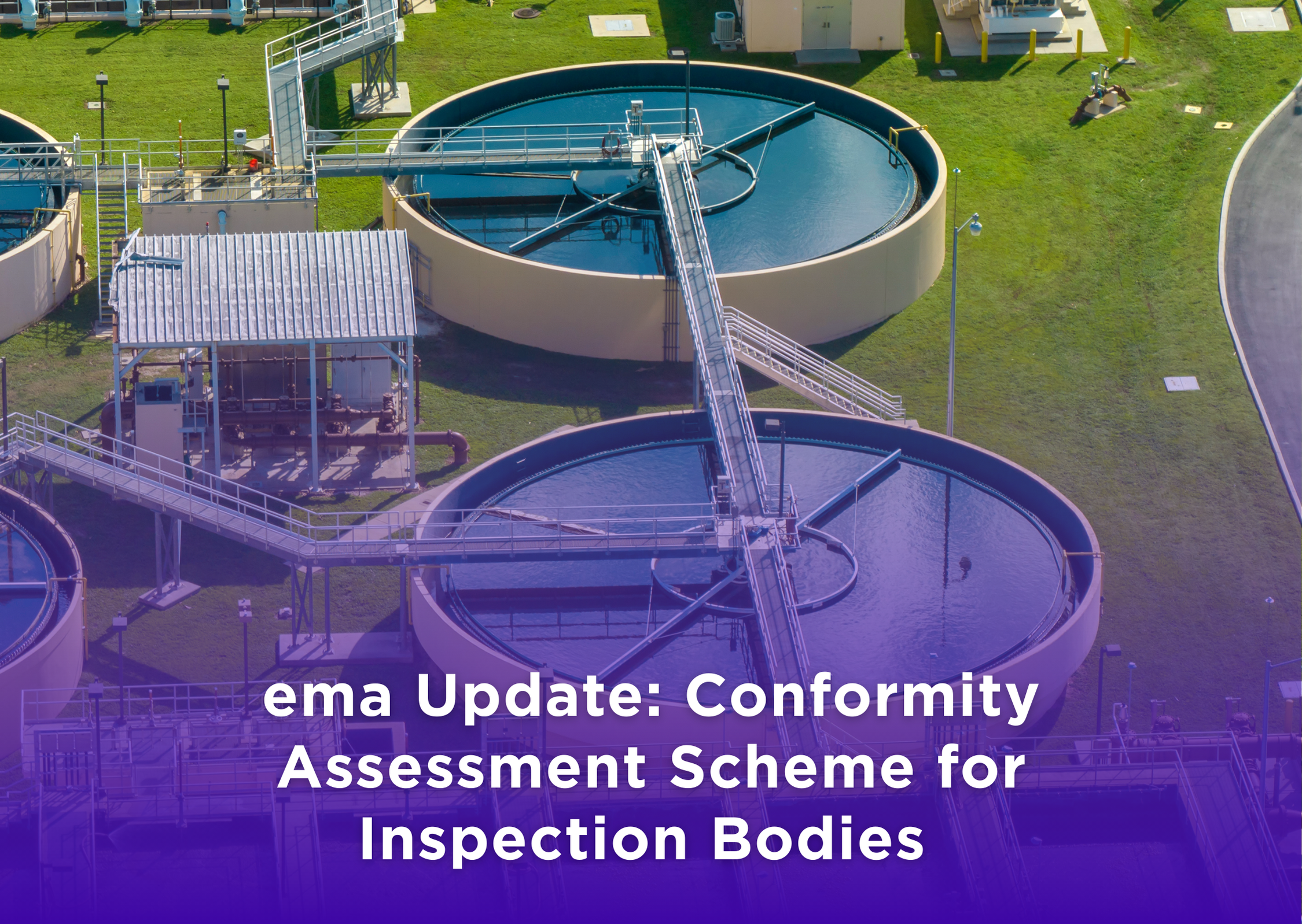
Accreditation of Inspection Bodies for the Conformity Assessment of the NMX-AA-179-SCFI-2018 Standard: Measurement of Volumes of National Waters Used, Exploited, or Utilized
The extraction of national waters from bodies owned by the Nation constitutes a fundamental component for achieving integrated, transparent, and efficient management of water resources. This activity supports not only the sustainable use of water but also the protection of public interests as established in the National Waters Law. Ensuring that water extraction aligns with regulatory provisions is essential for preserving availability, promoting equitable access, and supporting long-term hydrological balance within the country.
However, in the current operation and monitoring of national water use across the territory, a principal-agent problem often arises. This challenge stems from information asymmetries between water users and authorities, particularly concerning the actual volumes of water extracted. Such asymmetries may lead to inefficiencies in resource use, hinder effective water planning, and, in some cases, create opportunities for underreporting the volumes extracted. When precise and reliable data are not available, authorities face significant limitations in enforcing regulations, establishing appropriate water allocations, and designing public policies grounded in real-world conditions.
For this reason, the accurate measurement of volumes of national waters used, exploited, or utilized has become a critical mechanism for addressing these information gaps. Precision in measurement contributes to several key objectives, including:
Given this context, it is of great importance that Inspection Bodies accredited under ISO/IEC 17020:2012 carry out inspections to verify the proper operation of measuring devices and systems used for the utilization and exploitation of national waters. These inspections include assessing the methodology for volume measurement and the procedures for transmitting measurement data to the National Water Commission (Comisión Nacional del Agua). These verifications help ensure consistency, traceability, and reliability throughout the entire measurement process.
Currently, there are 19 accredited Inspection Bodies operating under this scheme. Their participation strengthens national efforts to improve water management practices, uphold regulatory compliance, and enhance the availability of trustworthy technical information.
This accreditation program represents a successful case of collaboration between the accreditation body and national regulators. It demonstrates how coordinated actions can reinforce confidence in conformity assessment results, support public policy objectives, and contribute significantly to the sustainable management and long-term preservation of vital natural resources.
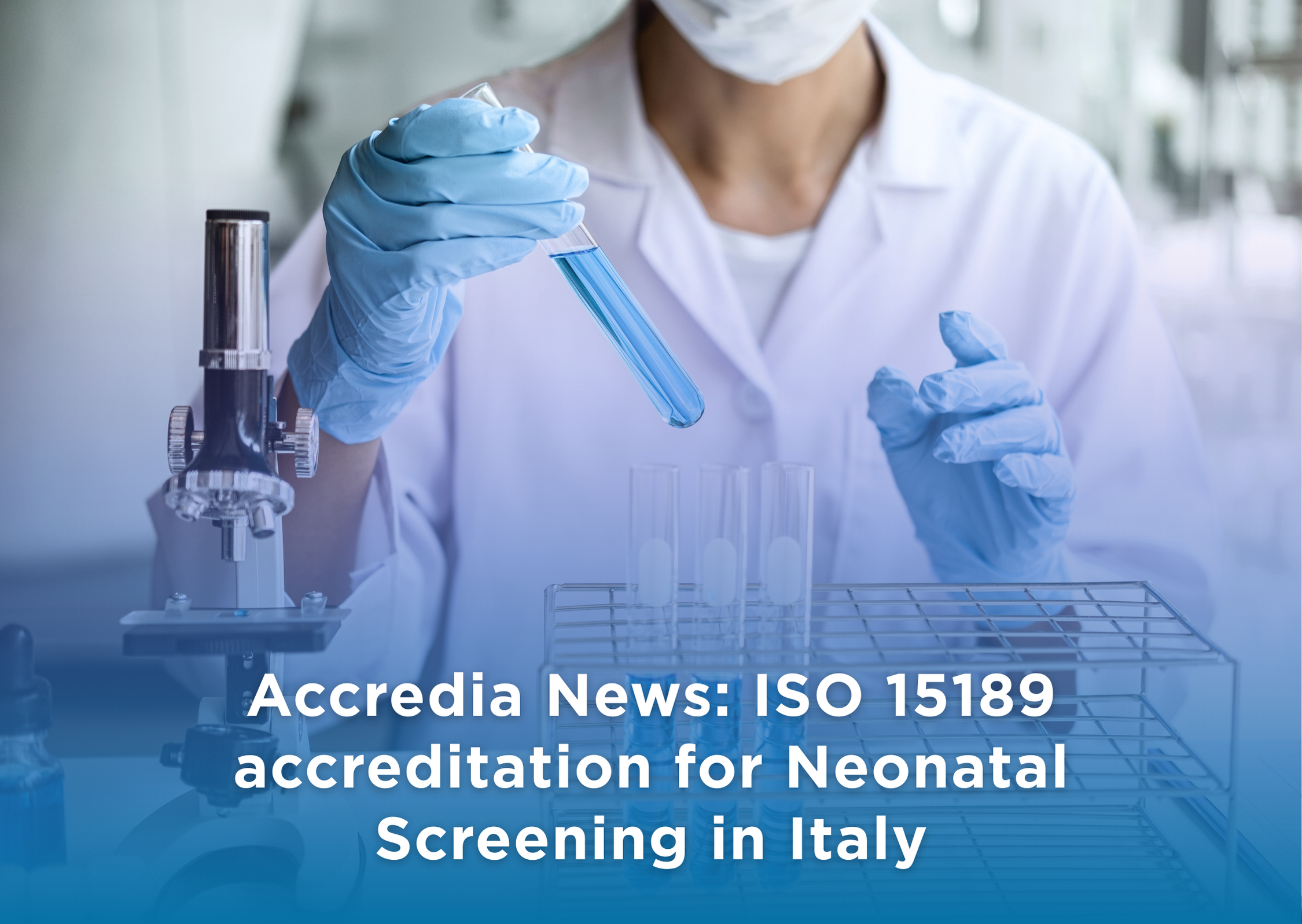
After consolidating the application of the ISO 15189 accreditation standard in traditional laboratory medicine disciplines, Accredia, the Italian Accreditation Body, is extending accreditation to medical analysis laboratories that perform neonatal screening.
Extended newborn screening (ENS) is one of the most advanced areas of preventive healthcare. Through a drop of blood collected in the first hours of life, ENS allows for the early detection of over 50 rare diseases. This improves the quality of life for patients and their families while reducing costs for the National Health Service.
In Italy, screening is regulated by Law 167/2016, which provides for mandatory neonatal diagnostic tests to prevent and treat hereditary metabolic diseases. However, the law’s effectiveness depends on the system’s ability to ensure uniform execution and reliable results. Currently, only some of the laboratories performing SNE are accredited by Accredia.
A project for individuals and society
ENS is a critical area of clinical and social importance, requiring a dedicated approach from the conformity assessment system. This approach should aim to build an accreditation model that respects the unique characteristics of the public health sector while guaranteeing technical competence and reliable results.
To begin this new chapter in laboratory medicine, Accredia has chosen to start by listening. The first objective was understanding the specific operational characteristics of screening programs, regional networks, organizational flows, and the needs of the professionals involved.
The project is now in the initial phase of stakeholder involvement—including healthcare institutions, scientific societies, professional associations, and citizen representatives—and the strategy will be gradual and participatory. It started with laboratories that have proven experience and well-established quality systems. Then, it will progressively extend accreditation to other centres according to a shared plan.
The strategy of dialogue and cooperation
This approach follows Accredia’s efforts to promote ISO 15189 accreditation for medical laboratories throughout Italy. These efforts began about a decade ago, when Italy was far behind other European countries.
Over the past eight years, Accredia has developed and consolidated the ISO 15189 accreditation system, achieving accreditation for 50 medical laboratories and establishing a national model based on collaboration, active listening, and the gradual implementation of requirements.
From the beginning, Accredia understood that the success of ISO 15189 accreditation depended on listening carefully to medical laboratory workers. To this end, the Accreditation Body collaborated with major Italian scientific societies, including SIBioC, SIPMeL, AMCLI, SIAPeC, and SIGU, which represent various disciplines within laboratory medicine.
Together, they defined the scope of accreditation using clear, discipline-specific language to bridge the gap between standard requirements and professional practice.
The national scientific societies also helped identify sector experts, who were then trained by Accredia to become technical assessors. Training sessions were organized to interpret the requirements and address challenging aspects such as measurement uncertainty, verification, and validation.
A gradual and realistic approach
A key element of the Italian experience was the progressive introduction of requirements, which allowed laboratories to adapt step by step. Accredia encouraged laboratories to begin with a limited number of validated examinations and extend their accredited scope during subsequent surveillance as their quality systems matured.
This pragmatic approach has been successful, helping in reducing difficulties, build confidence, and demonstrate that ISO 15189 accreditation can be a driver of improvement rather than a burden.
To promote a culture of quality and raise awareness among professionals and the general public about the value of competence and accreditation in healthcare, Accredia participated in scientific congresses, professional meetings, and television programs.
Meanwhile, Accredia collaborated with national and regional authorities to define requirements for medical laboratories. One notable example is the Autonomous Province of Trento, which, after developing a feasibility plan with Accredia, made accreditation mandatory for medical laboratories. This marked an important step toward harmonization and improved quality across the system.
All disciplines included
Today, all major fields of laboratory medicine — clinical biochemistry, hematology, microbiology, genetics, and pathology — are represented among accredited laboratories. Genetics, in particular, is experiencing significant growth, reflecting innovation and confidence in the accreditation process.
Accredia has also extended accreditation to pre-analytical processes and point-of-care testing (POCT), taking a comprehensive approach to quality throughout the diagnostic process.
Listening, supporting, and growing together
The Italian experience demonstrates that addressing professionals’ challenges, recognizing their expertise, and gradually introducing requirements are essential for developing a robust and shared accreditation system.
Through dialogue and cooperation, Accredia has helped laboratories view ISO 15189 as a trusted ally for improving quality, competence, and confidence in healthcare services rather than as an external obligation.

Brea, California — October 1, 2025 — The International Accreditation Service (IAS) held its 50th Anniversary Celebration Gala and Dinner on Thursday, September 25, 2025, at the Embassy Suites in Brea, California. Technical experts from 15 countries attended this milestone event which honored IAS’s legacy of trust, integrity, and leadership in accreditation services around the world.
Since 1975, IAS has become a globally recognized accreditation body, serving government agencies, commercial businesses, and public entities across a wide range of sectors. The 50th Anniversary Gala brought together key stakeholders, accreditation professionals, industry partners, and honored guests to celebrate five decades of service and progress.
The evening included a formal dinner, commemorative program, keynote remarks, and reflections on IAS’s evolution and impact across the accreditation landscape. A commemorative publication documenting the 50-year legacy of the organization was released as well as video documenting the legacy.
“This milestone is not just a celebration of our past, but a reaffirmation of our commitment to excellence in the years to come. We looked forward to honoring our dedicated staff, valued clients, and partners who have helped shape IAS into the respected organization it is today,” said Raj Nathan, President of IAS.
For more information, visit www.iasonline.org.

About IAS
IAS is a nonprofit, public-benefit corporation headquartered in Brea California that has been providing accreditation services since 1975. IAS accredits a wide range of companies and organizations including governmental entities, commercial businesses, and professional associations serving customers in 65 countries. IAS accreditation programs are based on recognized national and international standards that ensure domestic and/or global acceptance of its accreditations.
Mission: To protect lives and property through accreditation of competent organizations providing services, products, and oversight worldwide.
Vision: To provide the highest quality accreditation services for all concerned with public safety and sustainability through the principle of “One Test, One Inspection, One Certification Worldwide.”

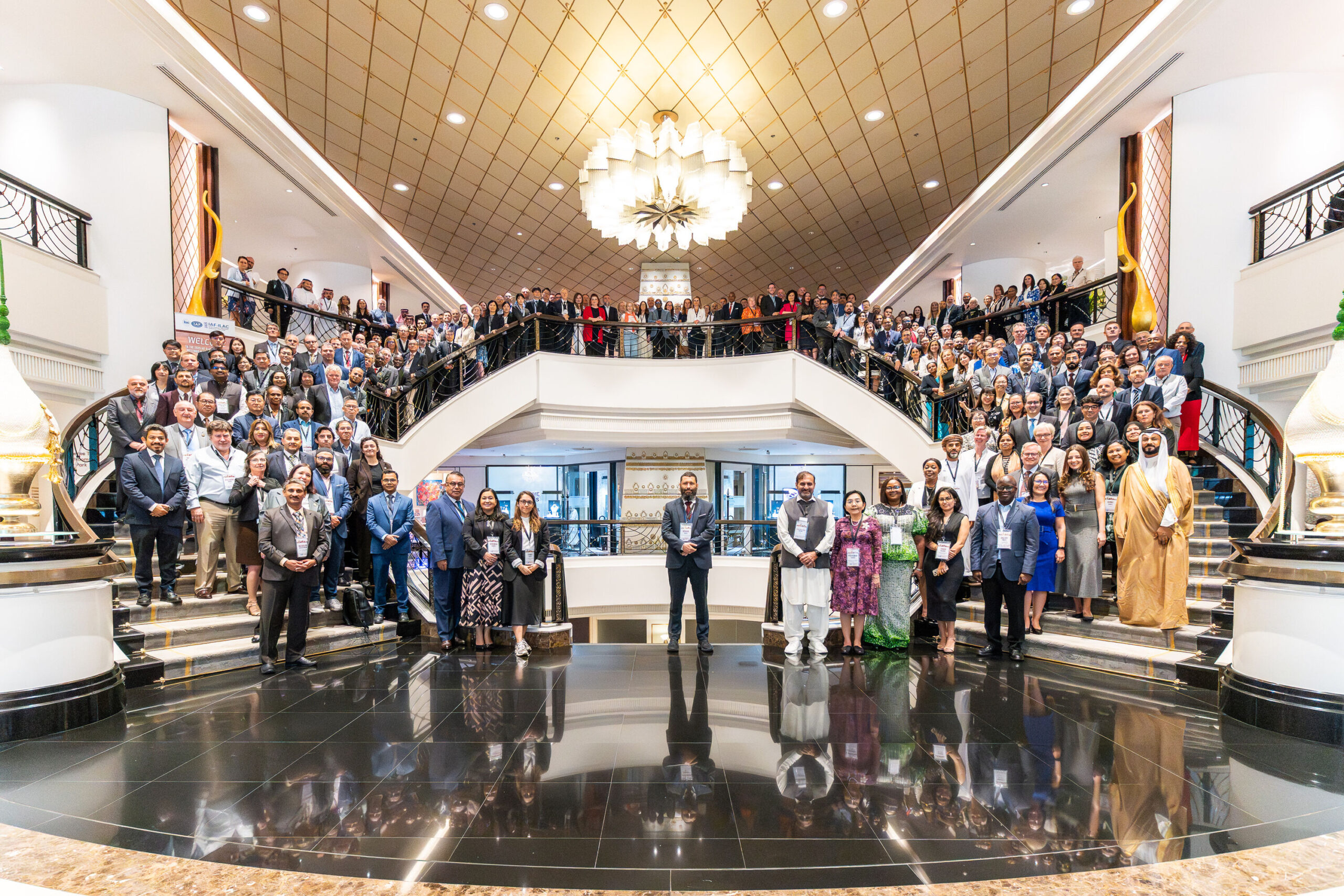
The latest picture of the ILAC General Assembly summarises many years of activity. The first conference was in October 1977 in Copenhagen. Since then, many interested countries have joined us, and we have added to the list of international partners and MoU signatories from many diverse organisations whose activities include the solid foundations of conformity assessment. The last joint conference in the format known as ILAC was a special moment – an end and a beginning at the same time.
Starting in January 2026, all activities, collaborations and initiatives carried out in the past by IAF and ILAC will take place within the framework of the Global Accreditation Cooperation Incorporated.
We are all required to learn to LEAD the change at the national, regional and international levels. Lead, Learn, Educate, and have the Agility and Dare to Develop and make changes.
We should all teach the National, Regional and International markets that from now on the international accreditation infrastructures have a ONE-STOP SHOP. We will speak a uniform and precise language, with full transparency with all members, and close cooperation in all changes.
A personal thank you to all the volunteers who took the initiative over the last six years in which I served as Chair, for leading the implementation of the necessary changes. Thank you also to the members of the Executive Committee, to the current secretariat and especially to the previous secretariat, who led us with a strong hand and brought about management infrastructure that made the change possible. A special thank you to ILAC Vice-Chair Maribel Lopez; without her support we would not have been able to do all of this, and to all members of ILAC for their engagement and trust over the last six years.
The next meetings of the Global Accreditation Cooperation Incorporated will be held in Prague, Czech Republic from 20 – 26 April 2026.

The year 2025 marks another milestone in the journey of the Quality and Accreditation Institute – Centre for International Accreditation (QAI CIA), as we continue to expand our global presence and strengthen confidence in accredited conformity assessment services. Guided by our commitment to excellence, transparency, and international cooperation, this year has been both dynamic and transformative for our accreditation programmes.
The year 2025 has been an eventful and fulfilling for the QAI CIA. As we continue to grow and strengthen our presence across the globe, our focus has remained steadfast — to promote confidence in accredited conformity assessment services and foster collaboration within the international accreditation community.
Highlights from 2025:
|
We started the year on a celebratory note with the accreditation of our 100th By March, 150 applications had been registered under the Testing Laboratory |
 |
 APAC Evaluation Team (Vivekananthan Kulasingham-SCC Canada (extreme right) and Mrs. Sirorat Thonhamkaew-TISI Thailand (second from right) |
April brought two significant recognitions — QAI CIA achieved Mutual Recognition Arrangement (MRA) status for Calibration under both the Asia Pacific Accreditation Cooperation (APAC) and the International Laboratory Accreditation Cooperation (ILAC). These recognitions reinforce our commitment to global harmonisation and the acceptance of accredited results internationally. |
In May, we organised the Assessors Conclave, which brought together assessors to share experiences and insights focused on strengthening the competence and consistency of our assessment teams. Later that month, we conducted an Assessor Training Course on ISO/IEC 17025:2017 to enhance our assessor resources.
| June marked our first onsite celebration of World Accreditation Day, a wonderful opportunity to honour the contributions of our assessors, laboratories, and stakeholders who make accreditation meaningful. |  |
 |
In July, we hosted an awareness seminar in Thimphu, Bhutan, for Testing, Calibration, and Medical Laboratories. (First of its kind in Bhutan) |
This was followed by the receipt of our first application for a Mobile Medical Laboratory as per ISO 15189 and the accreditation of our first Reference Material Producer (RMP) as per ISO 17034:2016.
| QAI strongly believes in collaboration. We are very pleased to share that QAI CIA signed a Memorandum of Understanding (MoU) with the National Centre of Accreditation (NCA) of the Republic of Kazakhstan in the month of July on the sidelines of APAC Annual Meetings in Bengaluru, India. |  |
This collaboration will explore opportunities for both organisations to work together to facilitate trade between the two countries and strengthen each other’s technical capabilities.
August continued the momentum with the accreditation of our first Inspection Body under ISO/IEC 17020:2012.
We were also honoured to receive an application from the Ministry of Energy and Natural Resources, Thimphu, Bhutan, for testing laboratory accreditation. The month concluded with a productive update meeting with our Lead Assessors.
October was rewarding, we granted accreditation to two Government Testing Laboratories in Lebanon in partnership with the United Nations Development Programme (UNDP). QAI CIA also accredited the first Mobile Medical Laboratory and the first ISO 15189 accredited Medical Laboratory in Bahrain — remarkable milestones that underscore our growing international outreach. Additionally, we accredited the Bureau of Indian Standards (BIS) Laboratory in Patna, further strengthening national quality infrastructure.

We remain committed to building a future rooted in trust, competence, and collaboration. Each achievement in 2025 reflects the dedication of our team, assessors, and partners who continue to make accreditation a cornerstone of quality worldwide.

The 9th Conclave for Proficiency Testing Providers (PTPs) and Reference Material Producers (RMPs) successfully conducted on 21-22 August 2025 in Chandigarh, India. This conclave is being conducted since 2017, consistently in the month of August.

The conclave emphasizes India’s commitment to lead efforts to build a culture of quality by making available PT schemes and reference materials at optimum cost as well as nurture budding talent. It’s an open platform for information sharing and discussions by PTP’s on design and plan of robust and innovative PT schemes as well as demonstration of scientific and technical competence to produce reference materials by RMPs. The conclave was hosted by the Green Economy Initiatives Private Limited, Zirakpur (winner of 8th PTP-RMP Conclave).
More than 180 participants have attended the conclave. The accredited PTPs and RMPs showcased their PT schemes and/or Reference materials in a competitive mode through presentations, posters and exhibition/stall. The Presentations/Posters were evaluated by a panel of experts in accordance with predefined criteria.
Following top three presentations and posters were awarded during the conclave:
First – Envirocare Labs Private Limited – PT Cell, Thane
Second – IOCL Proficiency Testing Provider, Eastern Regional Laboratory, Howrah
Third – Hi Tech Calibration Service Private Limited – Proficiency Testing (PT Provider) – PT Division, Chennai
First – CRM Unit, AAC Division, CSIR-National Metallurgical Laboratory, Jamshedpur
Second – HPCL RMP, Quality Control Laboratory, New White Oil Terminal, Visakhapatanam
Third – RML Quality Assurance Private Limited, Lucknow
Edition: 10th PTP/RMP Conclave 2026
Date: 20-21 August 2026
Venue: Mumbai, Maharashtra, India
Registration details will soon be available on NABL, Website (www.nabl-india.org).
Ms. Anita Rani Director & Head – PTP & RMP Accreditation Program National Accreditation Board for Testing and Calibration Laboratories (NABL) J200, World Trade Centre, Nauroji Nagar, New Delhi – 110029, India Phone: +91-11-40050532 Website: www.nabl-india.org Email: anita@nabl.qcin.org
|
|
 |
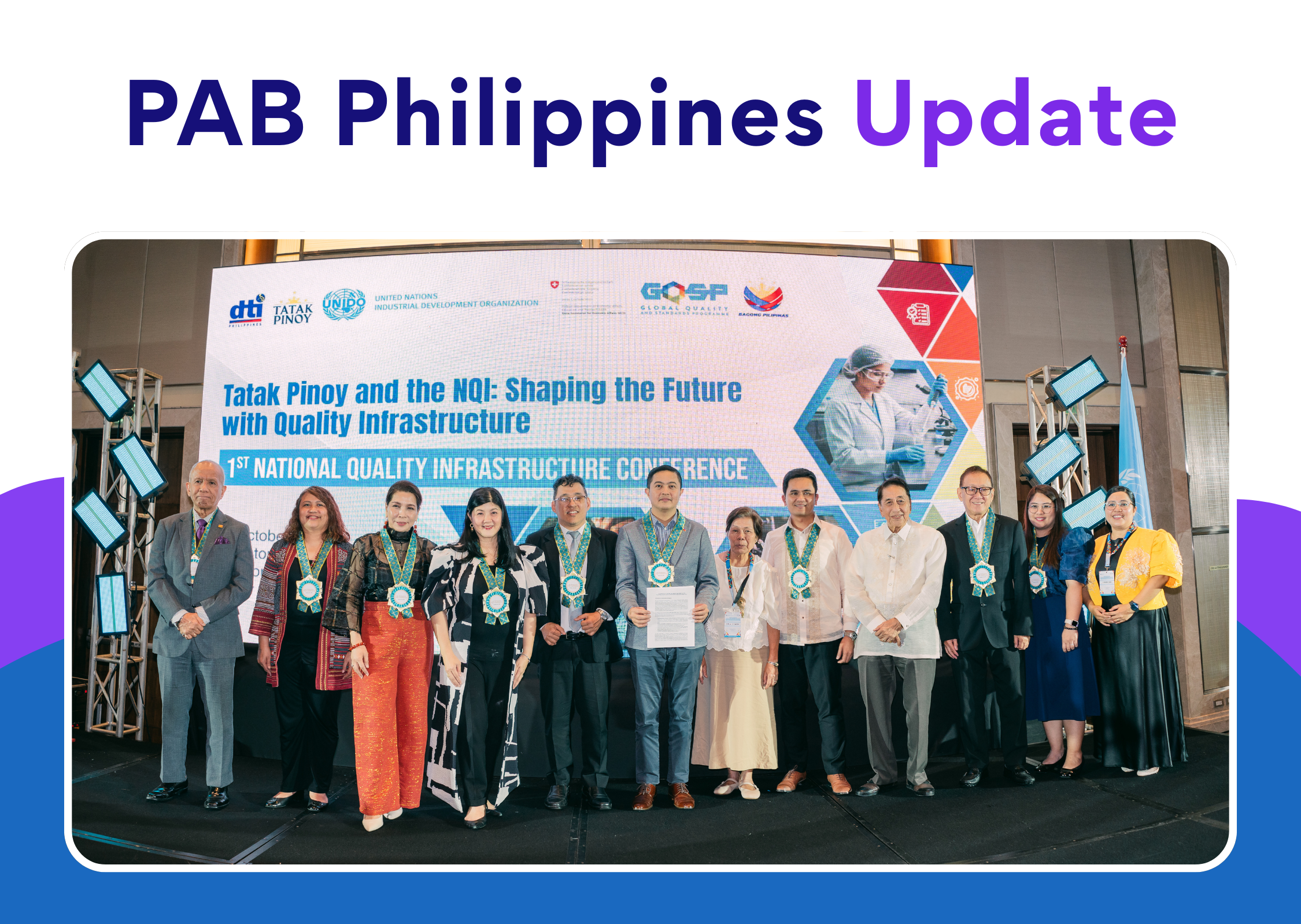
Leaders from government, industry, and development partners came together to champion a stronger National Quality Infrastructure (NQI) for the Philippines—empowering local industries to compete globally with quality and pride. The Philippine’s First National Quality Infrastructure (NQI) Conference, jointly organized by the Department of Trade and Industry – Philippine Accreditation Bureau (DTI-PAB) and the United Nations Industrial Development Organization (UNIDO), was held on 29 October 2025 at the Sheraton Manila Hotel. Carrying the theme “Tatak Pinoy and the NQI: Shaping the Future with Quality Infrastructure,” the event underscored the vital role of NQI in advancing Philippine competitiveness and supporting the Tatak Pinoy (Proudly Filipino) Act (RA 11981).
High-level support was demonstrated emphasizing the global importance of strengthening the Philippines’ quality ecosystem. Speakers affirmed that a robust NQI—encompassing Standardization, Metrology, Accreditation, and Certification—serves as the backbone for raising the quality of Filipino products to international benchmarks. It is key to enabling MSMEs to access global markets and achieve the shared mission: “Tatak Pinoy and NQI share one mission: to make Filipino quality globally recognized and trusted.”
Plenary sessions featured insightful presentations from experts regarding the status of NQI in the country, its benefits, impact and contributions to the economy. Subsequently, the breakout sessions on Standardization, Metrology, and Accreditation/Certification generated dynamic discussions among various stakeholders, incorporating, government initiatives, challenges and actionable recommendations to strengthen the country’s quality ecosystem and ensure it remains globally aligned and future-ready.
The conference culminated in a powerful display of unity as leaders and experts from government, industry, and academe, including the Department of Trade and Industry and Department of Science and Technology’s formal attestation through the Manifesto of Support for the immediate passage of the NQI Development Act. This collective action calls for the unification of the country’s fragmented quality systems under a coherent national framework. The DTI Fair Trade Group lead the industries in the conduct of this activity where the passage of the NQI Development Act was emphasized to ensure that the Philippines’ quality infrastructure remains robust and internationally recognized—shaping a future where Filipino quality is globally recognized and trusted, and where quality fuels progress for all Filipinos.


